All episodes
Alex James
B2B Messaging Strategist
Your perspective is your product. Standing out in a crowded B2B market.
Teams our guests have shipped with






5 free onboarding UX fixes you can ship next week to convert more trials




Order your free video audit
12+ years of experience (ex-Zapier)
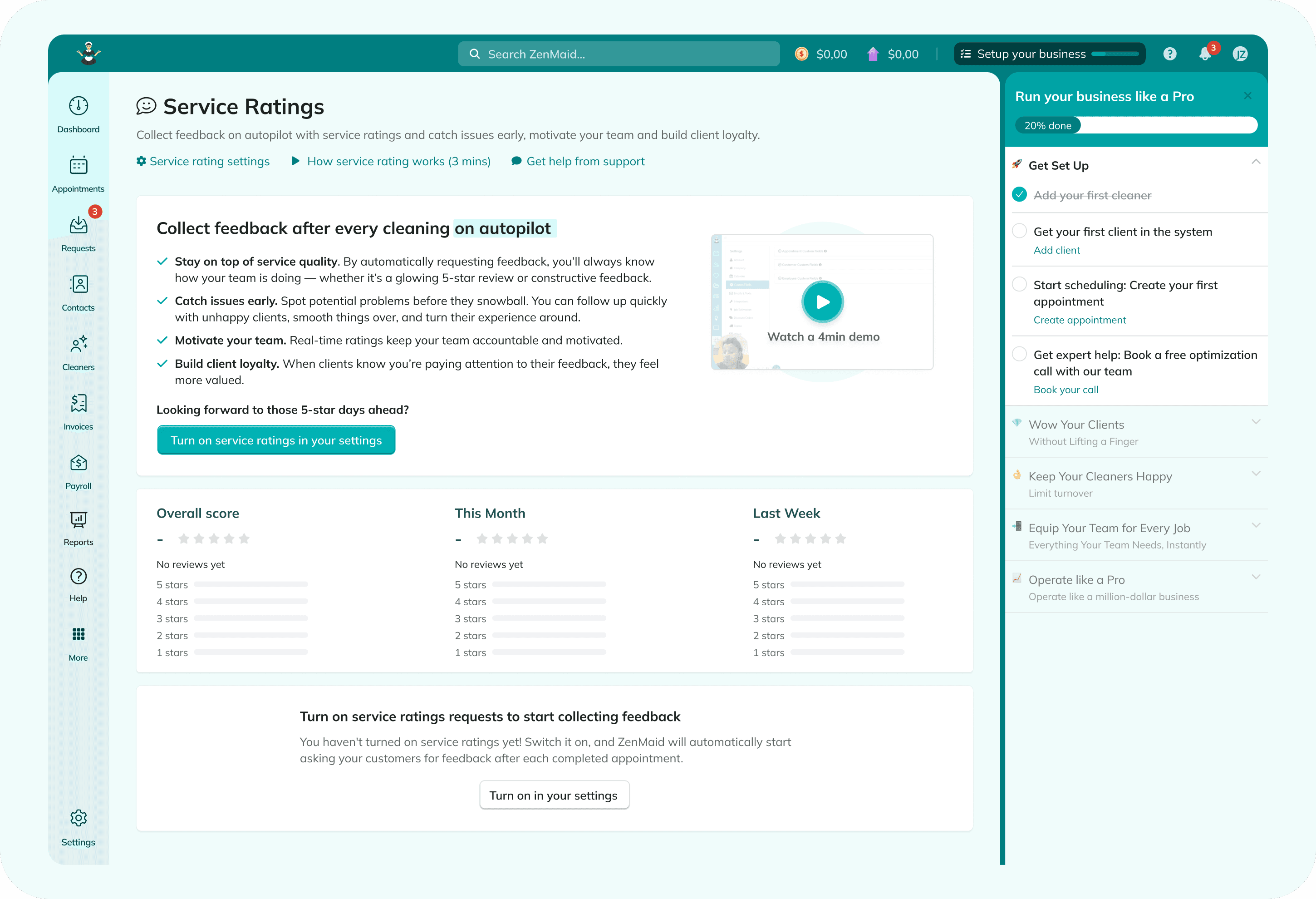
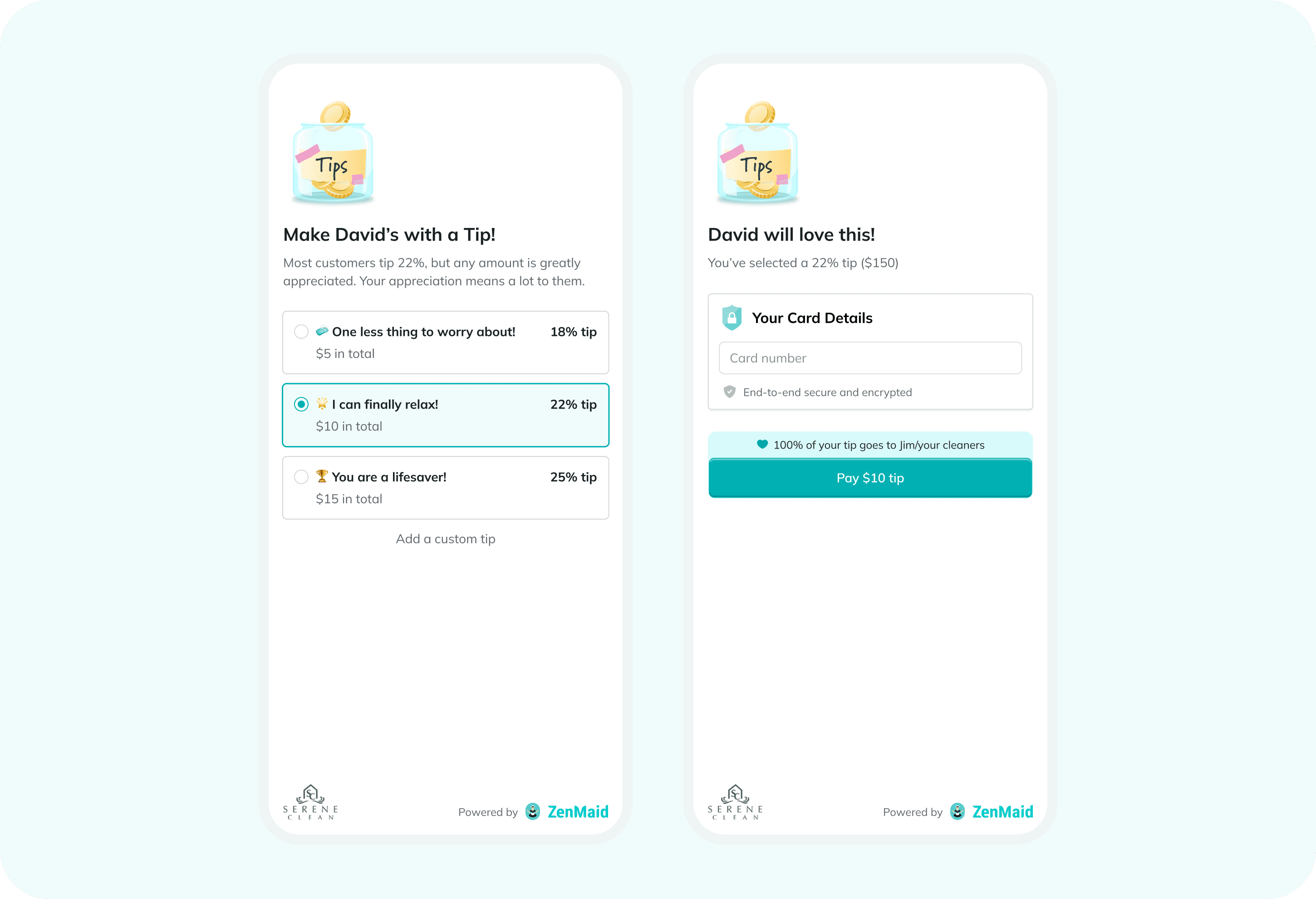
Helped ZenMaid grow from $1M to $5M ARR
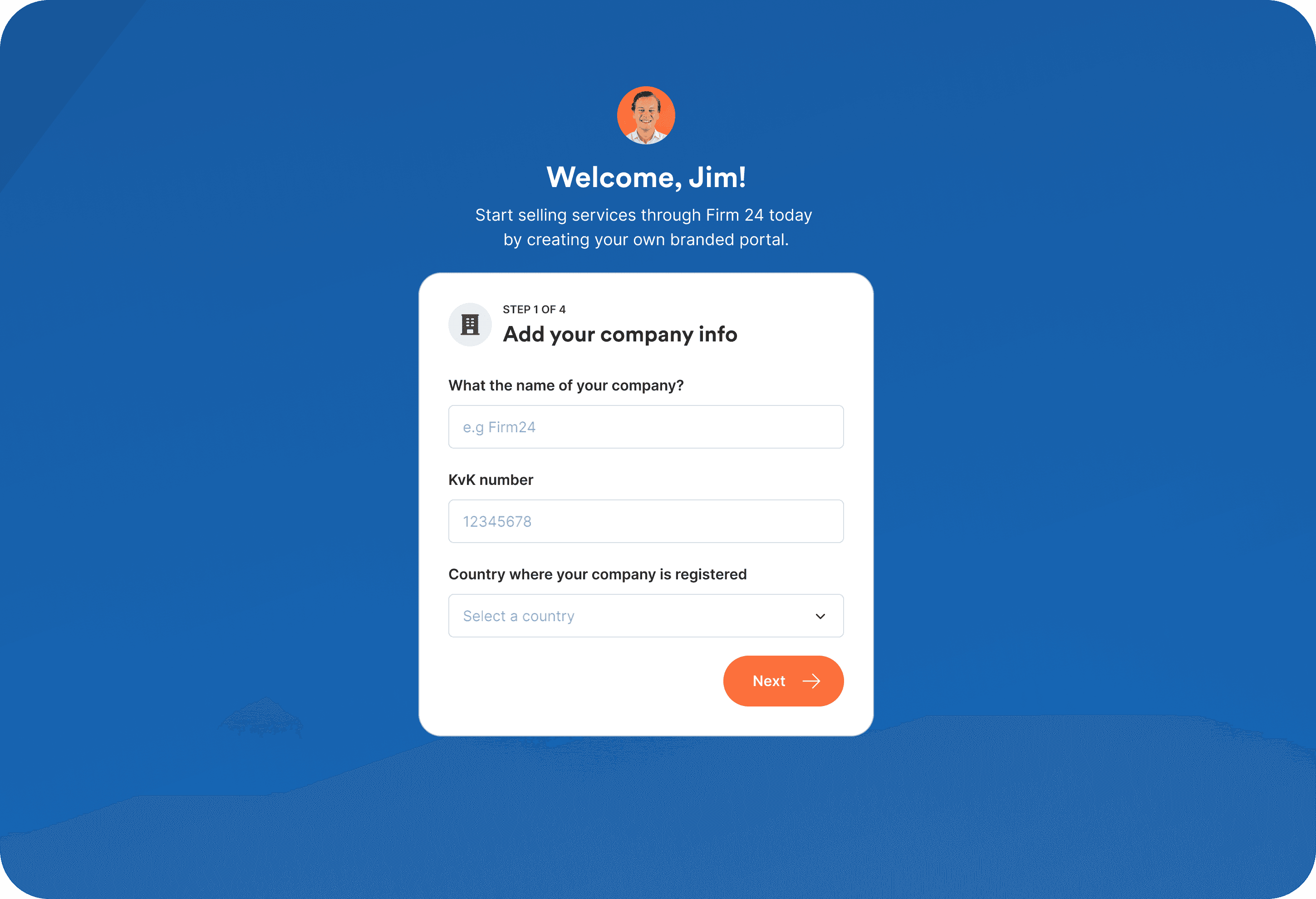
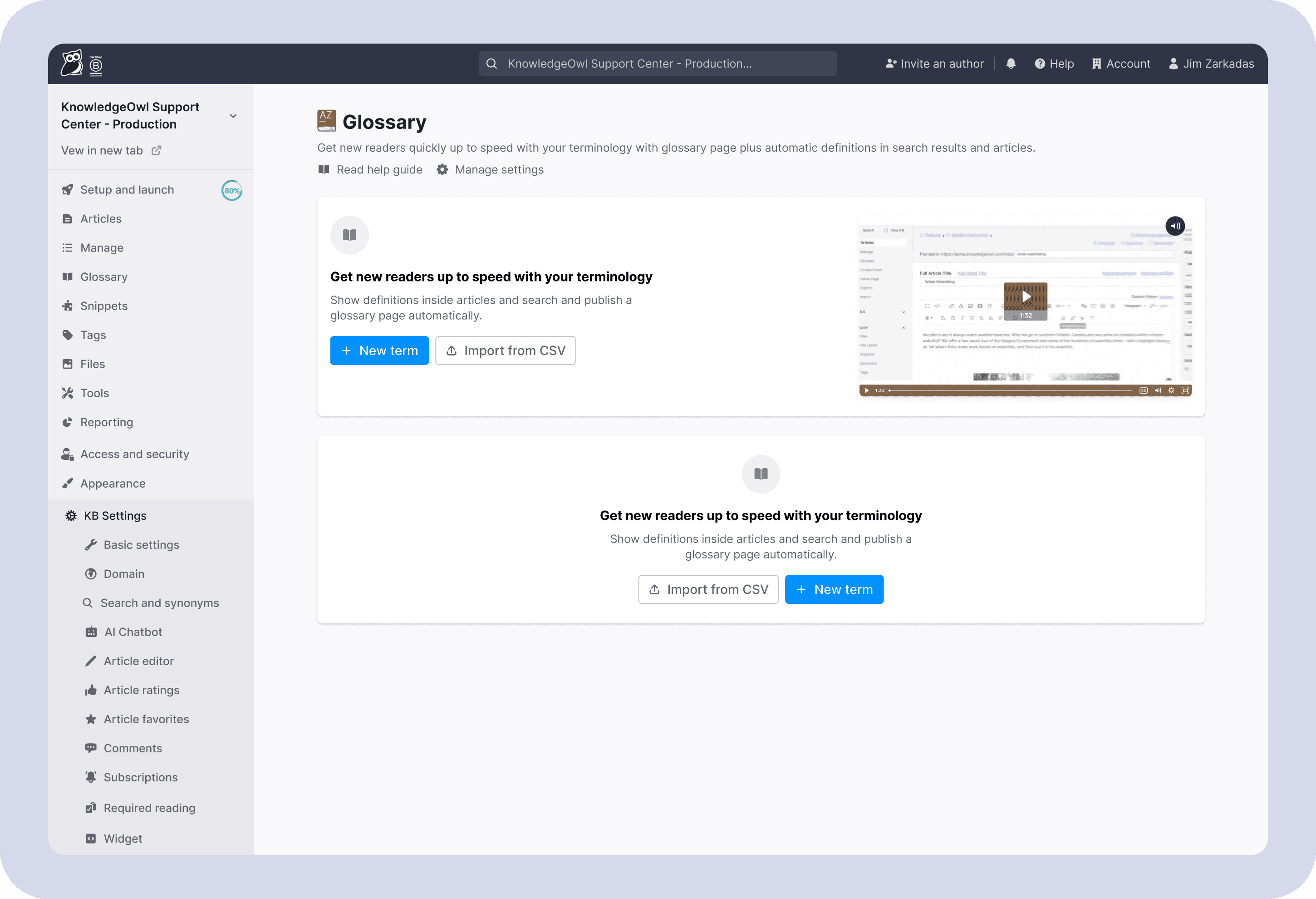
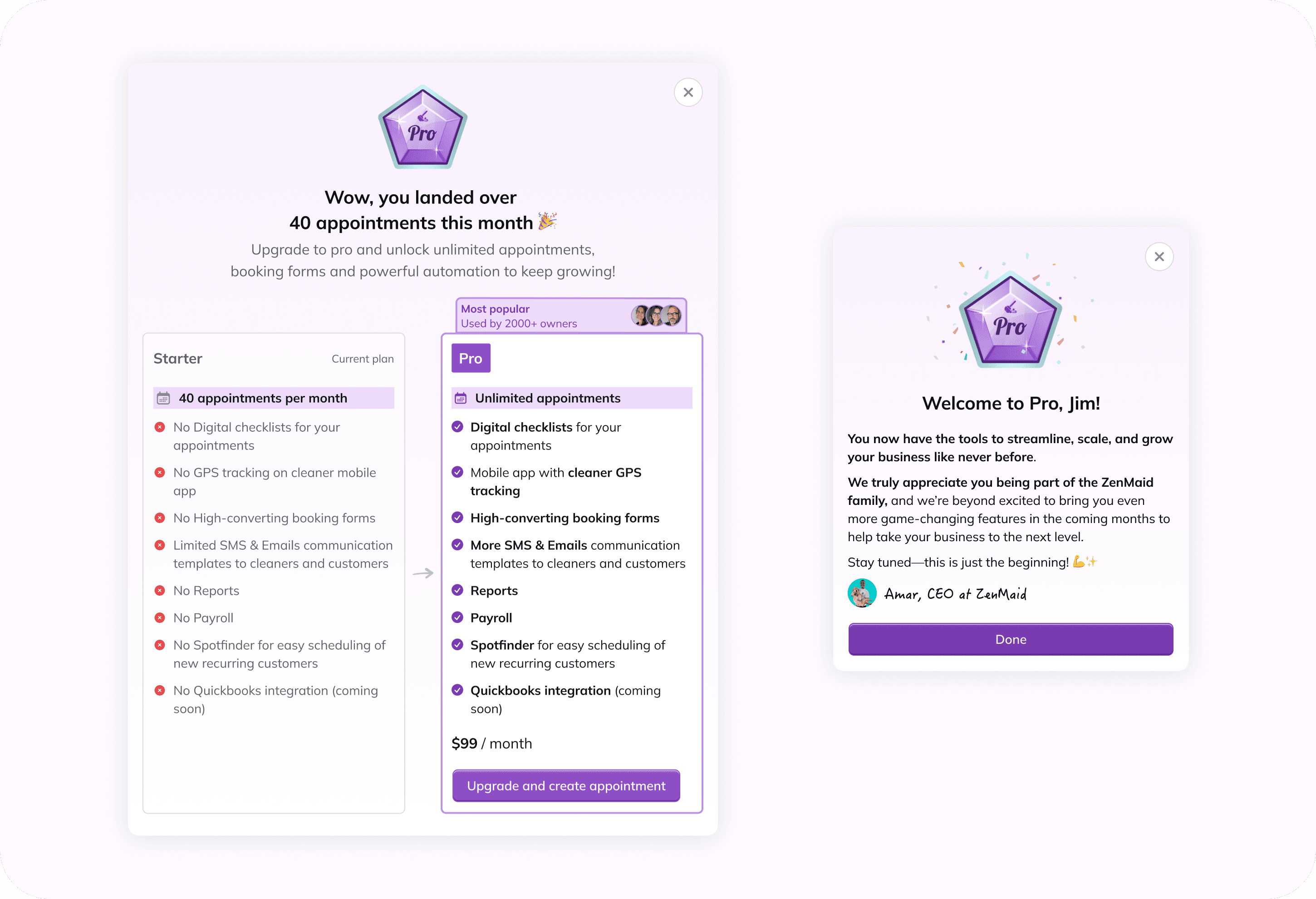
Copywriters obsess over words. Alex James? He obsesses over belief shifts—and that’s why his clients win.
In this episode I sat down with Alex James, a messaging strategist who helps B2B service companies stand out in crowded, look-alike markets.
His moto is "Your perspective is your product”
🧠 What you’ll learn in this episode
0:00 – Why most agencies and service firms all sound the same
02:11 – How competition creates the need for sharper positioning
03:57 – Why inspirational agency slogans fail (and what to say instead)
06:42 – Alex’s definition of taste and why it’s a strategic advantage
11:20 – How Alex developed his signature visual style (and why it works)
15:35 – How environment shapes your creative taste
18:43 – The competitive advantage of beauty in design & words
21:44 – Your perspective is your product (explained with real SaaS examples)
26:14 – How HubSpot used a perspective to win a market
29:27 – How to find your own perspective without sounding like a sales pitch
32:02 – The 3 types of perspective: mindset, method, tactic
36:45 – When to use each perspective depending on audience warmth
47:54 – Why selling services is harder than selling SaaS
55:33 – How to make believable promises without over-promising
59:26 – Why writing visually is so hard (and how to fix it)
1:02:15 – How Alex actually works with clients (and why his process changed)
1:14:24 – Why great collaborations need “escalating commitments”
1:15:33 – Alex’s surprising answer to: What’s your favorite SaaS?
💡 Steal these quick wins
Swap “what we do” for “what you’ll be able to do because of us.”
Most service pages talk about deliverables.
Clients buy outcomes.
This shift makes your message instantly more compelling and easier to visualize.
Why it works: It reframes your value around client impact — not your internal process.
1. Use metaphors to make abstract ideas visual.
If they can picture it, they’ll understand it.
If they can’t picture it, they’ll scroll.
Why it works: Metaphors turn invisible ideas (like “strategy” or “messaging”) into images the brain can actually hold onto.
2. Anchor your promise to something you can control.
“10x revenue” is not in your control.
“Make your SaaS more attractive and easier to understand” is.
Why it works: Believable promises build trust. Unbelievable ones trigger doubt — even if your work is great.
3. Identify your acquisition differentiator (not your retention differentiator).
Clients say they love you because you’re reliable.
But they chose you for a different reason. That’s your message.
Why it works: Retention features keep clients. Attraction features win them.
4. Document your perspective pyramid (mindset → method → tactic).
Mindset = great for content.
Method = great for your homepage.
Tactic = great for cold audiences.
Why it works: You’ll stop guessing what to say. Every channel gets the perspective it can actually convert with.
Introduction
Jim Zarkadas (00:00)
Hey, I’m Jim, and this is the Love at First Try podcast — a podcast for SaaS CEOs and developers who truly care about design but often find it too complex.
In every episode, we talk about how to design products that become sticky and unforgettable. We dive into taste, UX, growth, and conversions, and we share practical tips and frameworks you can apply directly to your product and development process.
Enough with the intro — let’s dive into today’s episode.
Guest Introduction: Alex James
Jim Zarkadas (00:28)
Welcome to the podcast. Thanks for joining me — it’s really great to have you here. One of the main reasons I wanted to invite you is because I believe you have great taste, and this podcast is about people with good taste.
We always start with a short intro: who you are, what you’re working on, and who you help. Let’s start there.
Alex James (00:58)
Yeah — I’m Alex. I’m a messaging strategist for B2B professional services firms. I mainly work with marketing agencies and consulting companies doing at least a million dollars a year in revenue.
I help them not just capture their values or “vibes,” but actually generate leads and close more clients — putting their messaging to work.
Why Digital Agencies Struggle With Differentiation
Jim Zarkadas (01:31)
What kinds of service firms do you mostly work with? Design studios, agencies, or a mix?
Alex James (01:43)
Mostly digital agencies. That space has become extremely crowded and competitive, so they need differentiation more acutely.
If you’re in a non-competitive space, you don’t need me as much. But when everyone is selling the same thing, saying the same things, and making the same promises — that’s when messaging really matters.
Jim Zarkadas (02:24)
That makes total sense. I’ve seen so many agencies try to differentiate with vague inspirational statements like “for the dreamers” or “building the future” — but they all say the same thing.
You look at the portfolio and it’s just websites. There’s no real differentiation.
Alex James (04:16)
Exactly. Everyone copies competitors. You end up with language that’s like a JPEG that’s been shared too many times — full of artifacts.
Those big inspirational statements come from Madison Avenue creative firms selling Super Bowl ads. But unless you’re selling to Nestlé, that doesn’t work. SMBs need a clear, direct, differentiated message lodged in their brain.
Taste: What It Is and Why It Matters
Defining Taste
Jim Zarkadas (06:18)
Before we go deeper into differentiation, I want to talk about taste.
What does “taste” mean to you?
Alex James (06:42)
The simplest definition I’ve found is this: taste is how you want things to be.
Jim Zarkadas (06:58)
That makes sense. It’s almost like a vision — how you imagine things should look, feel, or work.
Alex James (07:13)
Exactly. I started as a copywriter, just doing whatever people paid me for.
But now, especially in an AI-driven world, copywriting as a skill is becoming commoditized. What matters isn’t mastering the skill — it’s honing the taste.
If you have good taste, you can recognize what “good” looks like when it’s generated, edited, or refined.
Taste as a Competitive Advantage
Alex James (08:03)
Don’t master the skill — hone the taste.
Taste lets you see what’s persuasive, what converts, what actually works.
Jim Zarkadas (09:05)
That’s why I ask every guest this question. There’s no right answer — it’s personal.
Do you design your own content visuals?
Alex James (09:15)
Yeah — it’s just me.
Visual Direction & Creative Inspiration
Jim Zarkadas (09:36)
That’s actually how I discovered you — through your LinkedIn carousels. The aesthetic stood out. It felt elegant, warm, and intentional.
Where does that visual direction come from?
Alex James (11:20)
It was a lot of trial and error. I’m not a designer — I think in words, not images.
So I approached it logically: what visually conveys value?
A lot of LinkedIn content looks like generic SaaS websites — soft gray, sans-serif fonts, random pops of color. There’s no implicit value signal.
I started studying premium documentary posters, old magazines from the ’80s, cigarette ads, Esquire layouts. That era had optimism, warmth, and confidence — and I wanted that vibe.
Jim Zarkadas (13:23)
Honestly, that is design talent.
Alex James (13:54)
It took months. I had to learn the process before I could get there.
How Taste Develops
Jim Zarkadas (15:09)
How do you think you developed your taste?
Alex James (15:35)
Honestly, I don’t know if I have a clean answer. My house is full of mid-century furniture. I listen to old music. I’m drawn to earth tones.
I don’t love ultra-minimal modern design. I just… vibe with this stuff.
Jim Zarkadas (16:24)
That environment matters. What you’re surrounded by trains your eye and your mind.
Just like nutrition — what you consume defines what you produce.
Alex James (18:13)
What really clicked for me was realizing that beauty is a competitive advantage.
There’s something beauty communicates that words can’t. Once that clicked, everything changed.
Your Perspective Is Your Product
Jim Zarkadas (21:14)
One of your core ideas is: “Your perspective is your product.”
Can you explain that?
Alex James (21:44)
We’re in a shift where people buy from people — not faceless companies.
Founder brands work when founders introduce new ideas, not announcements. Thought leadership influences buying decisions more than ever.
But tips don’t convert. Tipping points do.
Moments where someone’s belief shifts.
When people experience that shift because of you, they associate it with you — and that’s what creates demand.
Perspective in Practice (HubSpot Example)
Alex James (26:14)
HubSpot wasn’t just software — it was an argument against outbound sales and for inbound marketing.
The tech already existed. The perspective didn’t.
People didn’t buy HubSpot because of features — they bought into the belief.
Three Types of Perspective
Alex James (30:37)
There are three types of perspectives:
Mindset-first: changing beliefs
Method-first: replacing processes
Tactic-first: replacing actions
Which one you lead with depends on how warm your audience is.
Cold traffic → tactic
Website → method
Content → mindset
Selling Services vs Selling SaaS
Alex James (47:54)
When you sell SaaS, you’re selling access to a product.
When you sell services, you’re selling a promise. That’s riskier.
Services are about perception, not just proficiency.
You must be skilled at conveying expertise, not just having it.
Promises, Believability & Control
Jim Zarkadas (53:23)
Where’s the line between a promise and over-promising?
Alex James (54:08)
A promise is believable only if it’s within your control.
You can’t promise revenue.
You can promise clarity, positioning, foundations, attractiveness.
Anchor promises to outcomes you control.
Writing That People Can Visualize
Alex James (59:26)
The fastest way to create vivid writing is metaphor.
Nature. Mechanics. Familiar systems.
If people can picture it, they can understand it.
How Alex Works With Clients
Alex James (1:02:15)
I no longer work in isolation. Everything I do is collaborative and live — workshops, positioning, perspective extraction, and applying it to the most important touchpoints.
It’s been five years of iteration to get here.
Final Question: Favorite SaaS Product
Jim Zarkadas (1:14:24)
What’s your favorite SaaS product?
Alex James (1:15:01)
Honestly? I don’t really have one.
I live an intentionally unoptimized life. I mostly use Apple Notes. It’s lightweight, fast, and distraction-free.
Jim Zarkadas (1:17:44)
That makes sense — it feels like a real notepad, not a system.
Closing
Jim Zarkadas (1:22:55)
This was an incredible conversation. Thanks so much for joining me — I’m sure we’ll do another episode.
Alex James (1:23:13)
Absolute blast. Thanks for having me.
Jim Zarkadas (1:23:15)
End time.