All episodes
Kate Syuma
Ex-Miro Growth & Founder of Growthmates
User-centric growth, 60-second aha moments & why the best onboarding is no onboarding
Teams our guests have shipped with






5 free onboarding UX fixes you can ship next week to convert more trials




Order your free video audit
12+ years of experience (ex-Zapier)
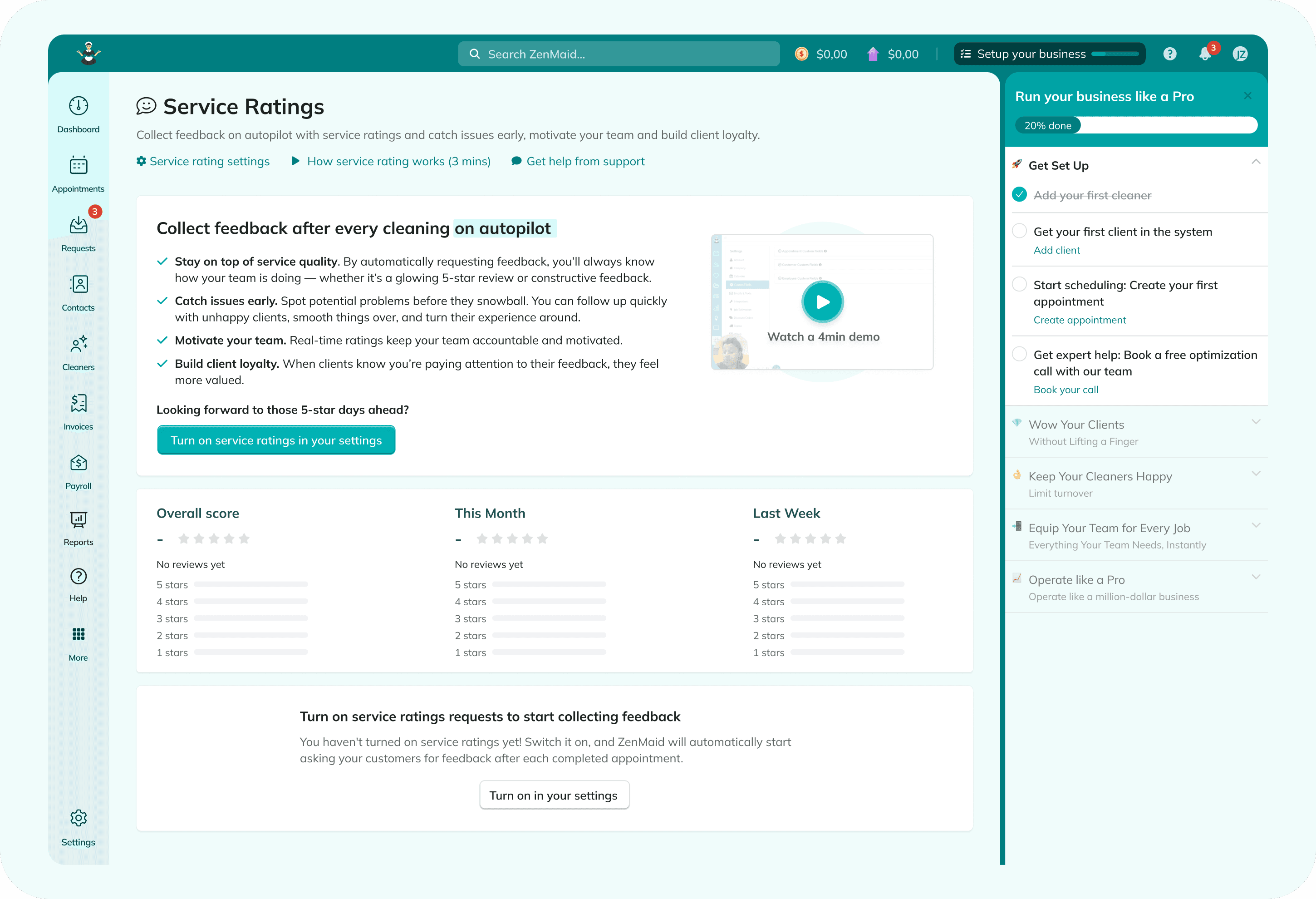
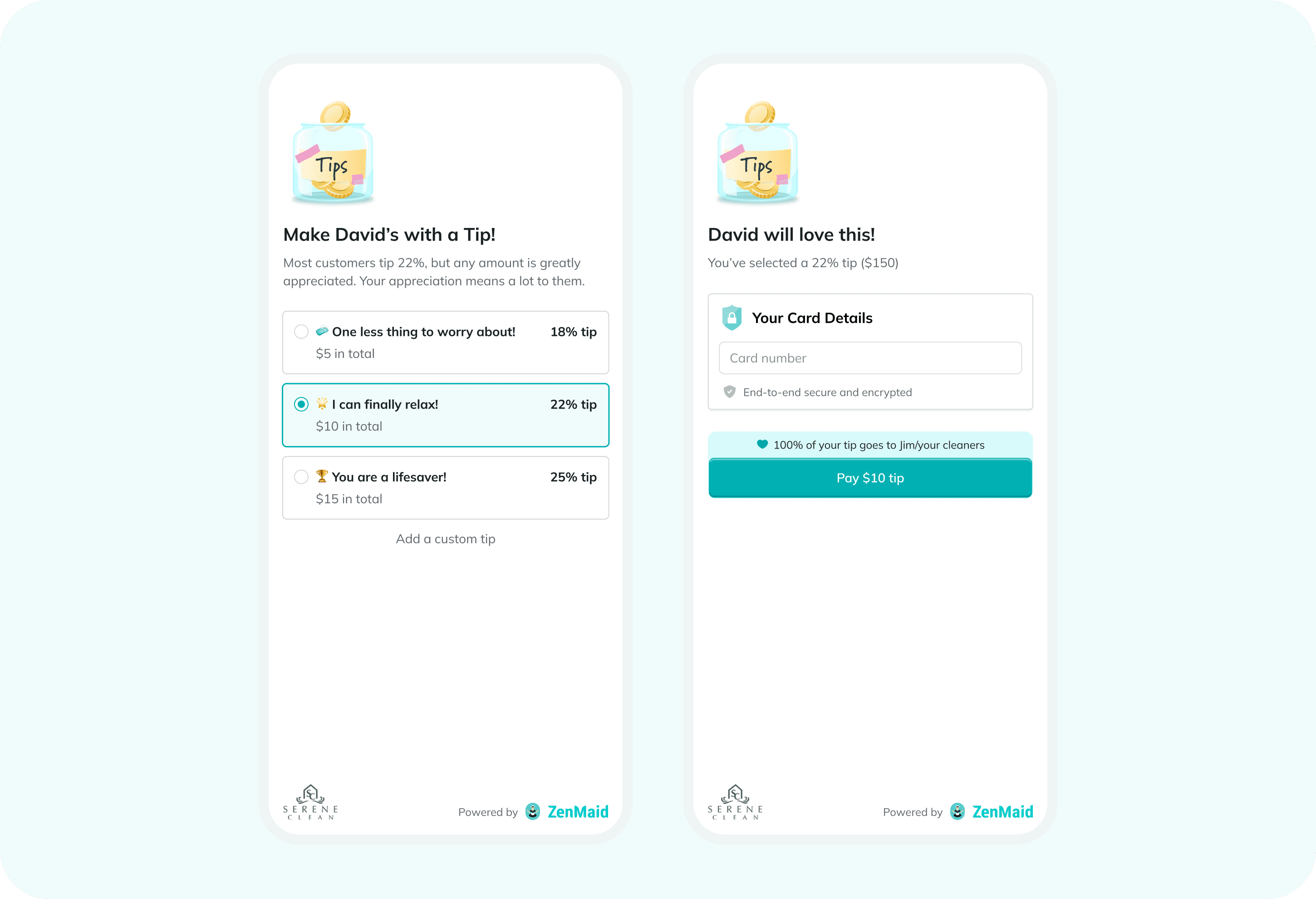
Helped ZenMaid grow from $1M to $5M ARR
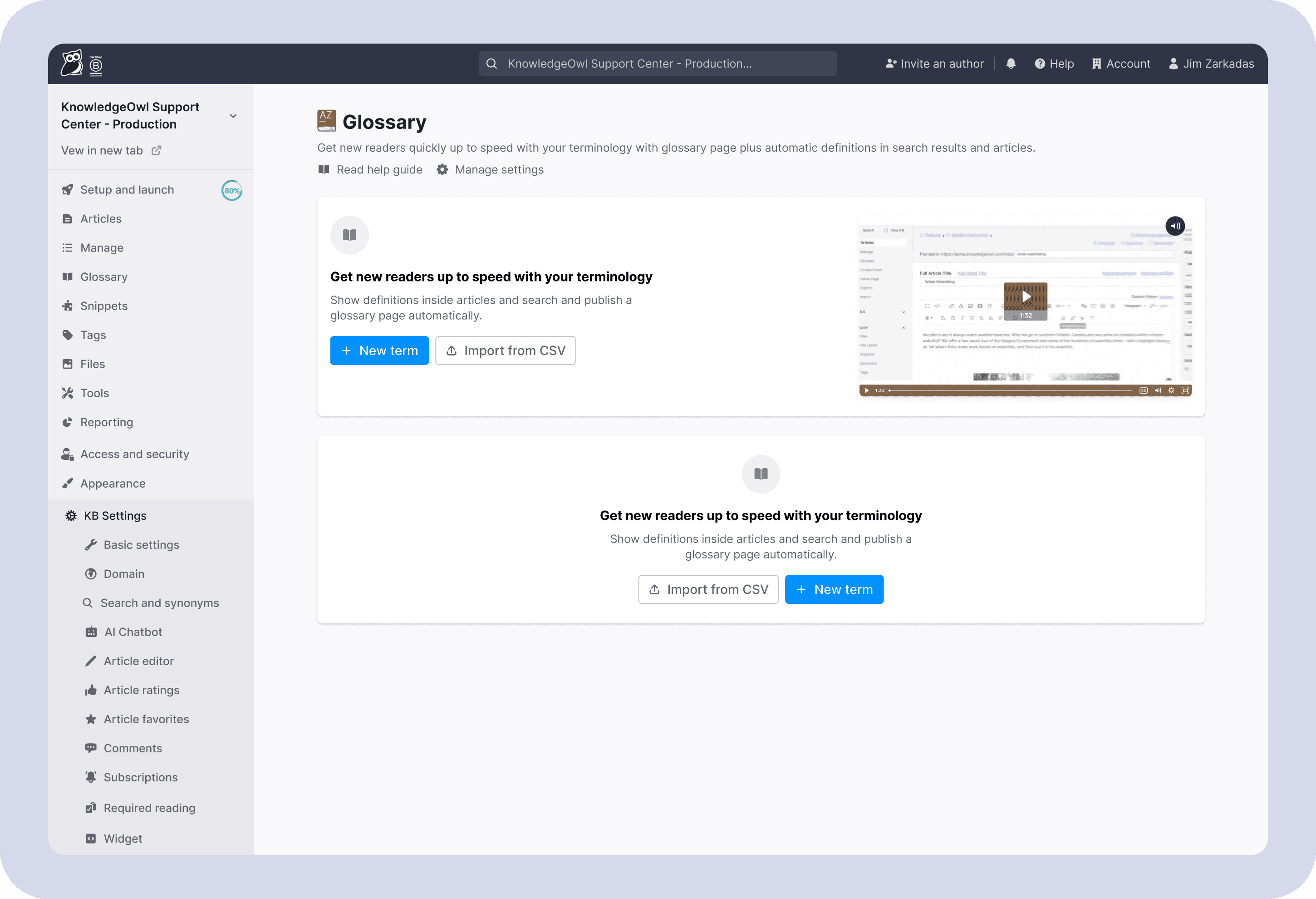
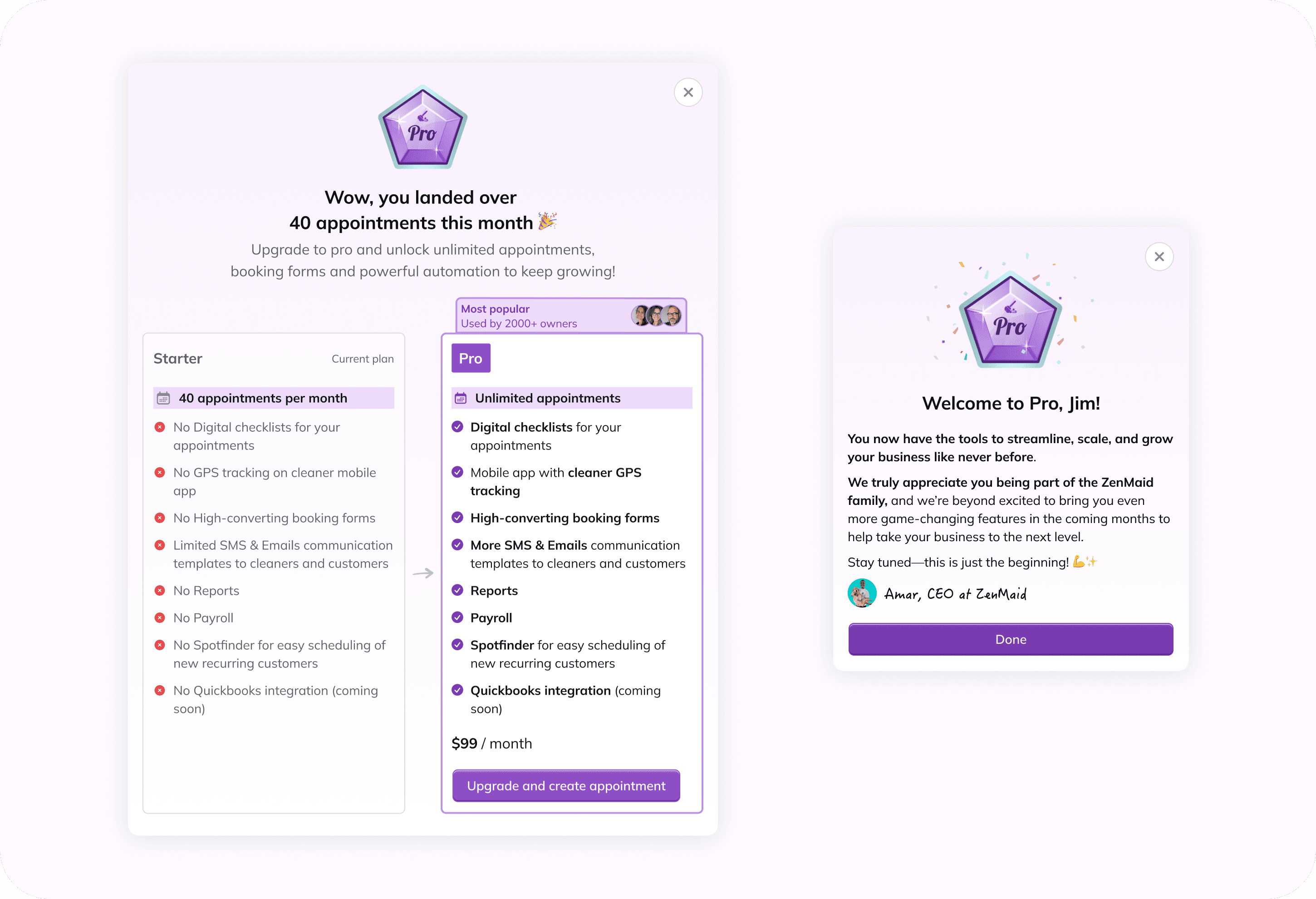
Kate Syuma spent 6+ years at Miro redesigning their onboarding. Now she advises Autodesk, ManyChat, and Dealfront on activation.
I invited her on the podcast because she's one of the few growth people who actually cares about delight — not just conversions.
She calls it "user-centric product growth." And after this conversation, I get why.
🎙️ 𝗪𝗵𝗮𝘁 𝘁𝗵𝗶𝘀 𝗲𝗽𝗶𝘀𝗼𝗱𝗲 𝗶𝘀 𝗮𝗯𝗼𝘂𝘁
Kate and I go deep on taste, activation, and how AI is changing the way we onboard users.
If you're a SaaS founder or dev without a designer — and you want your product to feel intuitive without hiring a full UX team — this one's for you.
🧠 𝗪𝗵𝗮𝘁 𝘆𝗼𝘂'𝗹𝗹 𝗹𝗲𝗮𝗿𝗻 𝗶𝗻 𝘁𝗵𝗶𝘀 𝗲𝗽𝗶𝘀𝗼𝗱𝗲:
0:00 - Why taste is built through exposure (and how to train it)
4:12 - How your prompt reveals your taste in the AI era
8:45 - The risk of chasing speed and shipping "good enough"
12:30 - Why the best onboarding is no onboarding at all
16:20 - AI voice assistants that onboard users in real-time (Obby by Core)
21:15 - Agentic AI: giving commands instead of clicking through menus
26:40 - How Miro used pre-recorded humans to blend self-serve with human touch
30:10 - Domain matching: the activation tactic that grew Mobin's expansion revenue by 20%
35:25 - Fixing your core value action vs. adding more tooltips
38:50 - Mini aha moments: getting users to value in under 60 seconds
42:30 - Why users need to invest (the IKEA effect in SaaS)
45:00 - Kate's favorite apps: Granola and Dream Notes
💡 𝗔𝗰𝘁𝗶𝗼𝗻𝗮𝗯𝗹𝗲 𝘁𝗮𝗸𝗲𝗮𝘄𝗮𝘆𝘀 𝗳𝗿𝗼𝗺 𝗞𝗮𝘁𝗲
→ 𝗔𝗱𝗱 𝗱𝗼𝗺𝗮𝗶𝗻 𝗺𝗮𝘁𝗰𝗵𝗶𝗻𝗴 𝘁𝗼 𝘆𝗼𝘂𝗿 𝘀𝗶𝗴𝗻𝘂𝗽 𝗳𝗹𝗼𝘄
When someone signs up with the same company domain as an existing user, prompt them to join that team instead of creating a solo account. This is how you turn individual users into expanding teams — without extra marketing spend.
→ 𝗔𝘂𝗱𝗶𝘁 𝘆𝗼𝘂𝗿 𝗰𝗼𝗿𝗲 𝘃𝗮𝗹𝘂𝗲 𝗮𝗰𝘁𝗶𝗼𝗻
Find the one thing users need to do to experience your product's value. If that experience is broken or buried, no amount of tooltips will save you. Fix the core flow first.
→ 𝗔𝗶𝗺 𝗳𝗼𝗿 𝗮 𝗺𝗶𝗻𝗶 𝗮𝗵𝗮 𝗺𝗼𝗺𝗲𝗻𝘁 𝗶𝗻 𝟲𝟬 𝘀𝗲𝗰𝗼𝗻𝗱𝘀
Use AI to pre-fill content, pull data from their website, or generate a proof of concept on signup. It won't be perfect — but it builds momentum and motivates users to invest further.
→ 𝗥𝗲𝗽𝗹𝗮𝗰𝗲 𝗽𝗮𝘀𝘀𝗶𝘃𝗲 𝘃𝗶𝗱𝗲𝗼𝘀 𝘄𝗶𝘁𝗵 𝗮𝗰𝘁𝗶𝘃𝗲 𝘁𝘂𝘁𝗼𝗿𝗶𝗮𝗹𝘀
If your onboarding relies on explainer videos, test a hands-on flow instead. Users learn by doing, not watching.
___
Introduction
Jim Zarkadas (00:00)
Hey, I’m Jim, and this is the Love at First Try podcast — a podcast for SaaS CEOs and developers who want to learn more about design without it feeling overly complex.
In every episode, we talk about how to design products that become sticky and unforgettable — covering taste, UX, growth, and practical frameworks you can apply.
Let’s dive in.
Guest Intro: GrowthMates & User-Centric Product Growth
Jim Zarkadas (00:26)
We always start with a quick intro — your story, what you’re working on, and who you help.
Kate Syuma (00:51)
I’m Kate, founder of GrowthMates — a product-led growth advisory for B2B SaaS.
I work at the intersection of activation, onboarding, and user experience. My mission is to help teams create meaningful experiences that delight users — not just increase revenue.
I spent over six years at Miro, and today I mostly work with post-product-market-fit companies (Series A+), including enterprise clients like Autodesk.
I also share frameworks publicly, which led to partnerships with brands like Framer, Mobbin, and Amplitude.
Recently, I defined what I do as User-Centric Product Growth — which finally feels aligned. Clear positioning matters. If you don’t define it, people won’t understand what you actually do.
Taste: Exposure & Curiosity
Jim Zarkadas (06:12)
How do you define taste?
Kate Syuma (06:35)
Taste comes from exposure. You absorb things from your environment — products, visuals, people, culture — and that trains your taste muscle.
In product, I constantly observe companies like Notion, Figma, Canva — how they evolve their UX and positioning.
It takes years. But curiosity and observation are key.
AI & Why Taste Matters More
Jim Zarkadas (10:27)
Many say AI makes taste the main differentiator. Thoughts?
Kate Syuma (11:11)
When anyone can build from a prompt, the difference becomes how you iterate.
You can accept default outputs — which leads to clean but generic products.
Or you can refine craft — typography, micro-interactions, copy, details.
That’s where taste shows.
AI increases speed, but teams must resist sacrificing quality for volume. When products start looking the same, craft becomes the differentiator again.
Onboarding: From Tooltips to AI Assistants
Jim Zarkadas (18:23)
How is AI changing onboarding?
Kate Syuma (19:05)
First: the best onboarding is when you don’t need onboarding — the product is intuitive.
Second: human onboarding is still the most powerful.
At Miro, we experimented with blending human guidance into product onboarding. Now AI can scale that idea.
AI Voice Onboarding
Instead of tooltips and checklists, AI voice assistants can:
Watch what users do
Guide them live
Correct mistakes
This feels more natural and less intrusive.
Agentic UX
Another shift: agentic AI inside products.
Instead of clicking through complex workflows, users give commands — and the agent performs actions.
If this becomes standard, onboarding shifts from “learn every feature” to “learn how to instruct the system.”
Activation: Fix the Core Value Action
Jim Zarkadas (29:28)
Any activation wins that stood out?
Kate Syuma (29:56)
With Mobbin, we focused on activation and uncovered growth opportunities that increased expansion revenue by 20%.
One example: domain matching — automatically connecting users from the same company into one workspace. That unlocked collaboration and expansion.
But the deeper principle:
Identify your core value action.
If the experience around that action is broken, no onboarding will save you.
Fixing the core workflow can dramatically improve activation — sometimes by 50% or more.
The Aha Moment & 60-Second Mini Value
Jim Zarkadas (34:54)
Defining the aha moment is tricky. How do you define it?
Kate Syuma (36:50)
The aha moment is the first time a user experiences your core value.
I push a bold idea: users should experience a mini-aha within 60 seconds.
Not full transformation — but enough value to motivate them to continue.
AI can help reduce time-to-value — but don’t remove user investment entirely. People value what they invest effort into.
Favorite Products
Jim Zarkadas (40:32)
What’s a product you love?
Kate Syuma (40:48)
Granola — an AI note-taking desktop app.
It’s simple, beautifully designed, and integrates seamlessly into how Mac users already take notes.
And a more personal one:
Dream Notes — an app I’m building with my husband.
It analyzes dreams using Jungian psychology to help users reflect and uncover patterns. I use it every morning.
Closing
Jim Zarkadas (45:46)
This was a great conversation. Thanks for joining.
Kate Syuma
Thanks for having me. Hope it was valuable.