All episodes
Zach Stevens
Design at Conversion Factory
Why great brands are stolen, not created — and how to find your visual direction
Teams our guests have shipped with






5 free onboarding UX fixes you can ship next week to convert more trials




Order your free video audit
12+ years of experience (ex-Zapier)
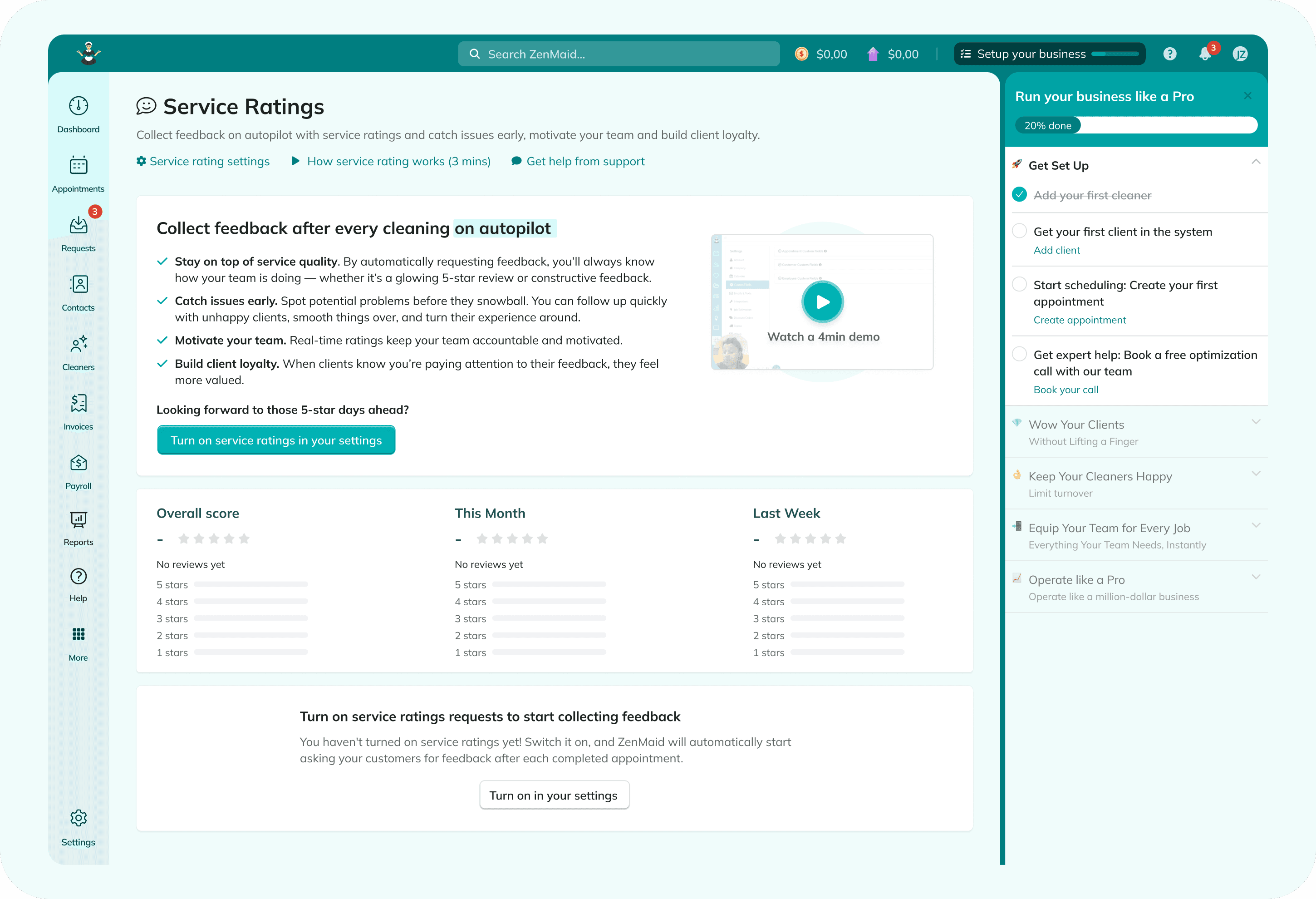
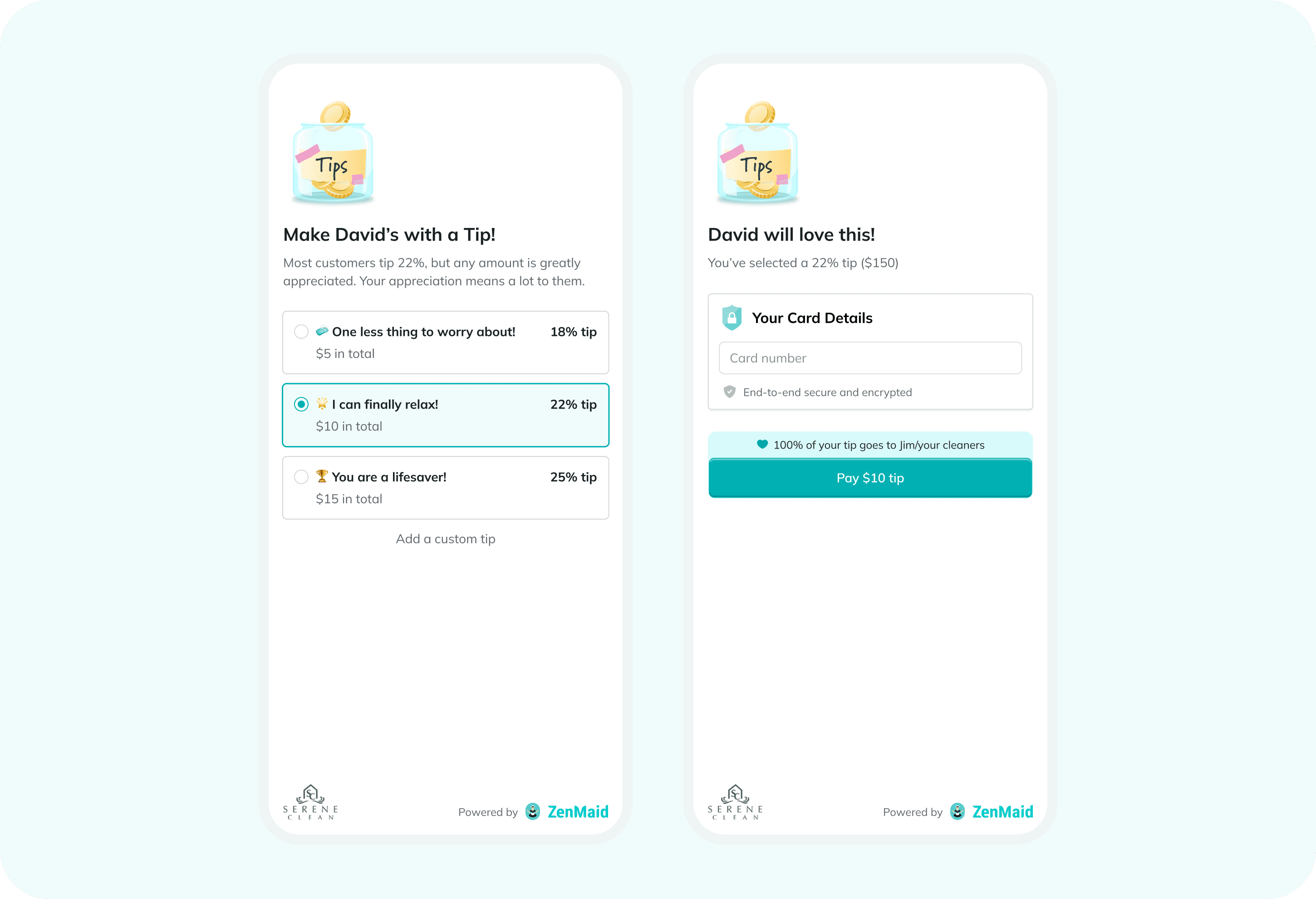
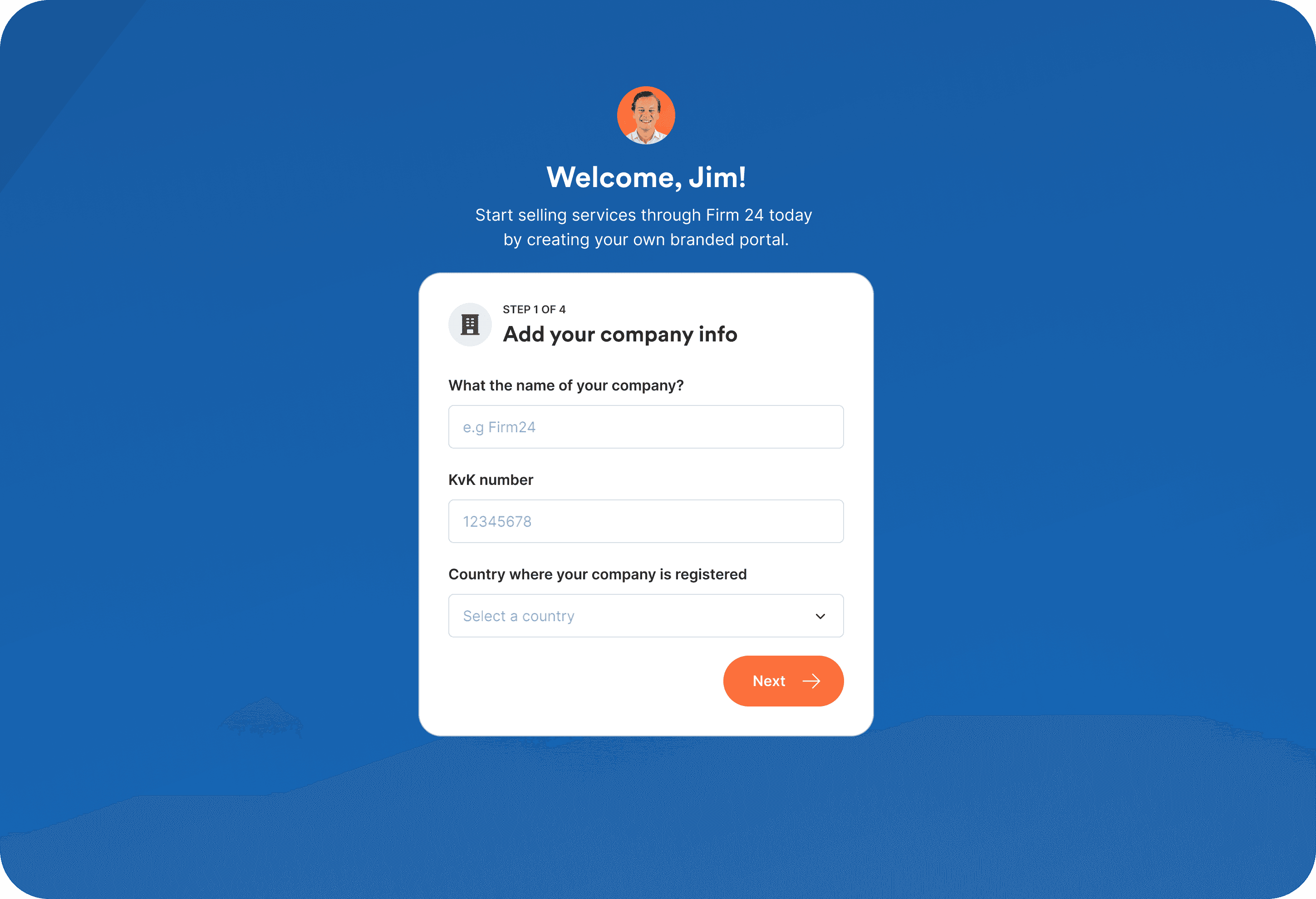
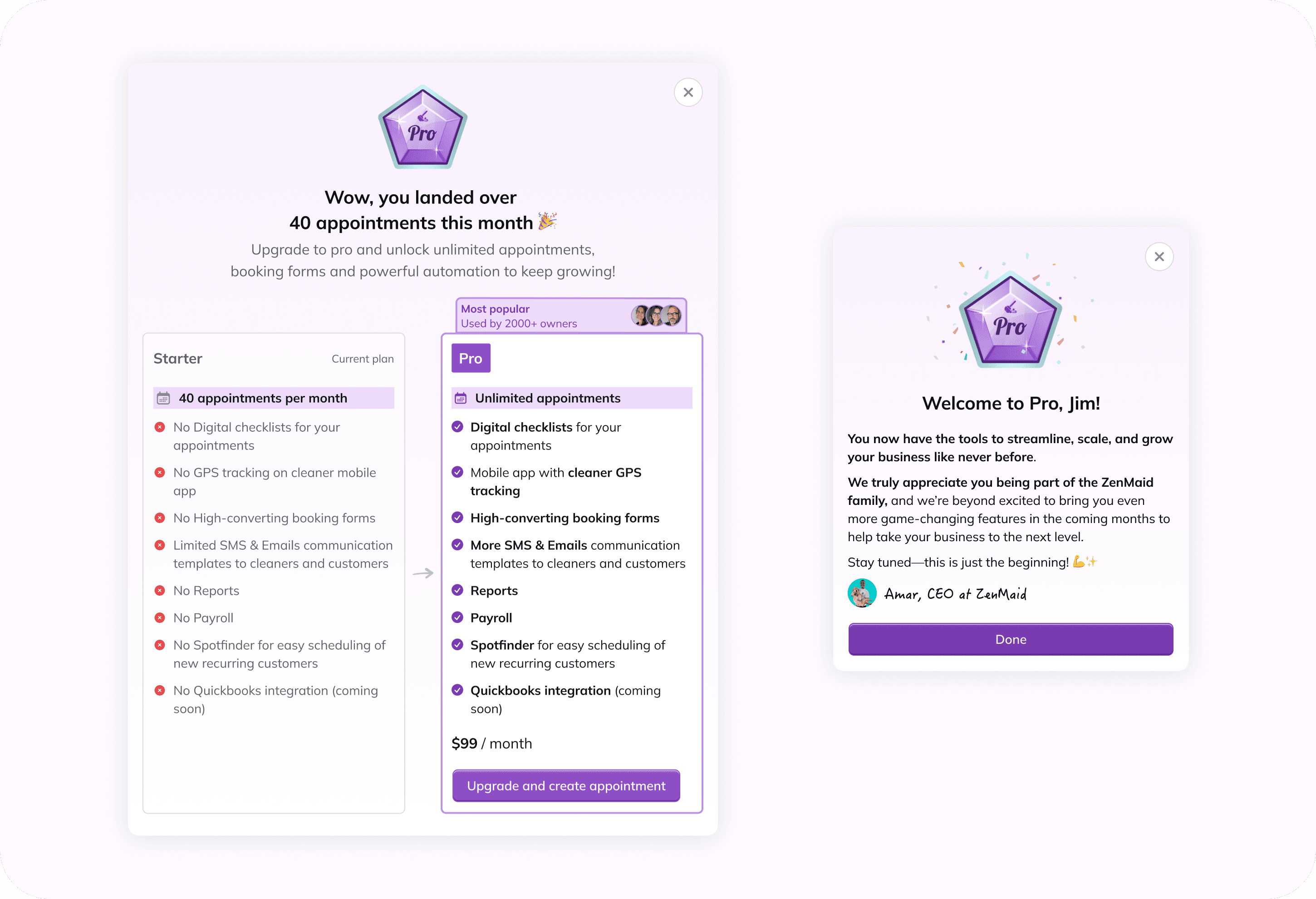
Helped ZenMaid grow from $1M to $5M ARR
This is Love at First Try — a podcast for SaaS founders and developers who care about design but aren't designers themselves.
Zach Stevens is one of the co-founders of Conversion Factory, a marketing agency that works with growth-stage software companies. He runs their design team and has spent years helping SaaS brands go from scrappy to polished — without losing what makes them unique.
I wanted to talk to Zach because he's a growth-focused designer. He doesn't just make things look good — he thinks about how design serves the business. And in this episode, we get into how to define your brand's vibe, why stealing from the right references matters, and how to make sure your design supports your marketing instead of fighting against it.
🧠 What you'll learn in this episode:
0:00 - Intro
0:25 - Who Zach is and what Conversion Factory does for SaaS companies
1:00 - Zach's origin story: from almost joining the Marines to meeting mentors who shaped Amazon's brand strategy
4:45 - The difference between a designer who just makes things pretty and one who solves business problems
7:15 - Aphantasia: why some people can't visualize ideas and what it means for design
11:50 - How Zach defines taste as a designer
13:58 - The Gap by Ira Glass: why your taste develops faster than your skills
17:27 - Why great brands are stolen, not created — and how Liquid Death proves it
21:20 - How AI changes the role of creative direction (you don't need to draw it yourself anymore)
23:40 - When beautiful design hurts conversions: the Adeline website breakdown
30:06 - The fine line between design that serves marketing and design that's just art
34:35 - How to add humanity to SaaS websites without looking like a stock photo catalog
38:43 - Why the emotion you want to convey matters more than how technical your audience is
43:12 - The branding spectrum exercise: masculine vs feminine, luxury vs affordable, subtle vs expressive
47:09 - Brands on fire vs brands on ice: how to stay creative without losing consistency
50:43 - Why typography alone can completely shift your brand's vibe
53:53 - The Mentor Cruise rebrand: from utilitarian to premium using vintage Porsche ads as inspiration
1:00:04 - How much should founder taste influence brand direction?
1:04:04 - Zach's favorite products right now: Cora, Mile IQ, and ChatGPT for thinking out loud
💡 Actionable takeaways from Zach
Steal these quick wins:
Define the feeling before the visuals. Before picking colors or fonts, ask: "How do I want people to feel when they interact with my brand?" Everything else follows from that answer.
Use the branding spectrum exercise. Map where your brand sits on spectrums like masculine vs feminine, luxury vs affordable, subtle vs expressive. It helps you spot mismatches before you start designing.
Steal from what makes you feel the way you want others to feel. Zach's team pulled from vintage Porsche ads for Mentor Cruise because Dominic wanted that timeless, premium vibe. Find your reference points outside your industry.
Design should serve marketing, not lead it. If your website looks amazing but the message gets buried, you've prioritized aesthetics over conversions. Copy first, then design around it.
Add humanity carefully. Photos of people can make your SaaS feel more relatable — but only if the vibe matches. A playful brand like PostHog uses pixel art hedgehogs instead of faces. Match the emotion, not the tactic.
Typography sets the tone. The same sentence in a geometric sans-serif feels modern and clean. In a serif with thick-to-thin contrast, it feels wise and nostalgic. Pick fonts that match your intended feeling.
Stay between fire and ice. "Brands on fire" are chaotic — nothing matches. "Brands on ice" are boring and rigid. The best brands have consistency with room for spontaneity depending on context.
___
Introduction
Jim Zarkadas (00:00)
This is the Love at First Try podcast — for SaaS founders and developers who want to understand design without the fluff.
We explore how to create products that are sticky, memorable, and effective — covering branding, UX, and growth.
Guest Intro: Design Meets Brand Strategy
Zach Stevens (01:00)
Co-founder of Conversion Factory, where we help growth-stage SaaS companies build marketing engines.
I lead the design side:
Webpages
Brand identity
Marketing assets
We help companies go from:
👉 “garage startup look” → “enterprise-ready brand”
Key Insight: Design ≠ Decoration
Zach Stevens (04:15)
What made me valuable wasn’t just design skills — it was:
👉 Explaining why design decisions matter
Not:
“This looks good”
But:
Does it differentiate?
Does it align with positioning?
Does it solve a business problem?
👉 Design is a business tool, not art for art’s sake
Designers See What Doesn’t Exist Yet
Zach Stevens (08:19)
Great designers have a unique ability:
👉 They can visualize outcomes before they exist
Example:
Client suggests change
Designer already knows → “this will look bad”
👉 This allows faster problem-solving and better decisions
What Is Taste?
Zach Stevens (12:02)
Taste is hard to define, but practically:
👉 It’s your ability to recognize:
What works
What doesn’t
And apply that judgment
Built from:
Exposure
Pattern recognition
Experience
👉 Taste = a filter for quality
The “Gap” Every Designer Faces
Zach Stevens (14:01)
When you start:
Your taste is high
Your execution is low
👉 You know your work isn’t good
That gap creates frustration.
The only way to close it:
👉 Produce a lot of work
Core Philosophy: Great Brands Are “Stolen”
Zach Stevens (17:27)
👉 Great brands aren’t created from nothing
They’re built by:
Borrowing emotions
Borrowing references
Recombining them
Example:
Liquid Death
→ Took punk rock + energy drink aesthetics
→ Applied to water
👉 Result: instant differentiation
Branding = Emotional Consistency
Zach Stevens (12:45)
A strong brand is:
👉 Everything feeling like it comes from one place
Includes:
Visuals
Copy
Motion
Tone
Product
👉 When it’s aligned → it “just feels right”
AI in Design: Power Shift
Zach Stevens (21:20)
AI changes the game:
👉 You don’t need to execute — you need to direct
Now the key skill is:
Taste
Direction
Vision
👉 Designers become creative directors
Design vs Art (Critical Distinction)
Zach Stevens (25:27)
👉 If design doesn’t serve a goal → it’s art
For SaaS:
Goal = conversion
Goal = clarity
So:
👉 Design must serve marketing
The Problem With “Beautiful” SaaS Websites
Zach Stevens (27:44)
Modern trend:
Beautiful visuals
Weak messaging
Problem:
👉 People admire → but don’t convert
Design should:
Support copy
Not overshadow it
The Rule: Function > Aesthetic
Zach Stevens (32:49)
Example:
Fancy hammer (beautiful) → unusable
Simple hammer → effective
👉 Same in design
If it looks good but:
Confuses
Slows down
Doesn’t convert
👉 It’s bad design
Photography in SaaS: When to Use It
Zach Stevens (38:43)
Adding people = adding emotion
But:
👉 It depends on the feeling you want
Examples:
Friendly → use humans
Technical / serious → avoid
👉 Always ask:
“What should people feel?”
Brand Strategy Framework
Zach Stevens (43:29)
We map brands across spectrums:
Luxury ↔ Affordable
Playful ↔ Serious
Expressive ↔ Minimal
Masculine ↔ Feminine
👉 Forces clarity
Because:
👉 You can’t be everything at once
How to Create a Brand Direction
Zach Stevens (44:36)
Instead of asking:
❌ “What do you want?”
Ask:
✅ “What makes you feel this way?”
Sources:
Movies
Posters
Music
People
Culture
👉 Then translate that into visuals
Case Study: MentorCruise
Zach Stevens (54:22)
Goal:
👉 Make users feel:
Growth
Wisdom
Professional evolution
Process:
Gather references
Create 3 directions
Choose emotional alignment
Final direction inspired by:
Vintage ads
Editorial typography
Texture & gradients
👉 Result: premium, timeless feel
Key Insight: Brand Consistency ≠ Rigidity
Zach Stevens (46:57)
Bad extremes:
🔥 “On fire” → inconsistent
❄️ “On ice” → boring
Best brands:
👉 Balance consistency + flexibility
Founder Input: Useful but Limited
Zach Stevens (1:01:12)
What founders like matters… but:
👉 Only if it fits the brand
Example:
Liking something ≠ it belongs in your brand
👉 Designer’s job:
Filter preferences through strategy
Favorite Products
Zach Stevens (1:04:26)
Cora (Every) → AI email management
MileIQ → automatic mileage tracking
ChatGPT → thinking partner
Use cases:
Replace search
Brainstorm ideas
Process thoughts
Closing Insight
Zach Stevens
👉 Design is not about making things look good
It’s about:
Making people feel something
Guiding decisions
Driving outcomes