All episodes
Marc Thomas
Growth for Arrows, Castos and more
Why tactical playbooks fail & the money moments framework
Teams our guests have shipped with






5 free onboarding UX fixes you can ship next week to convert more trials



Order your free video audit
12+ years of experience (ex-Zapier)
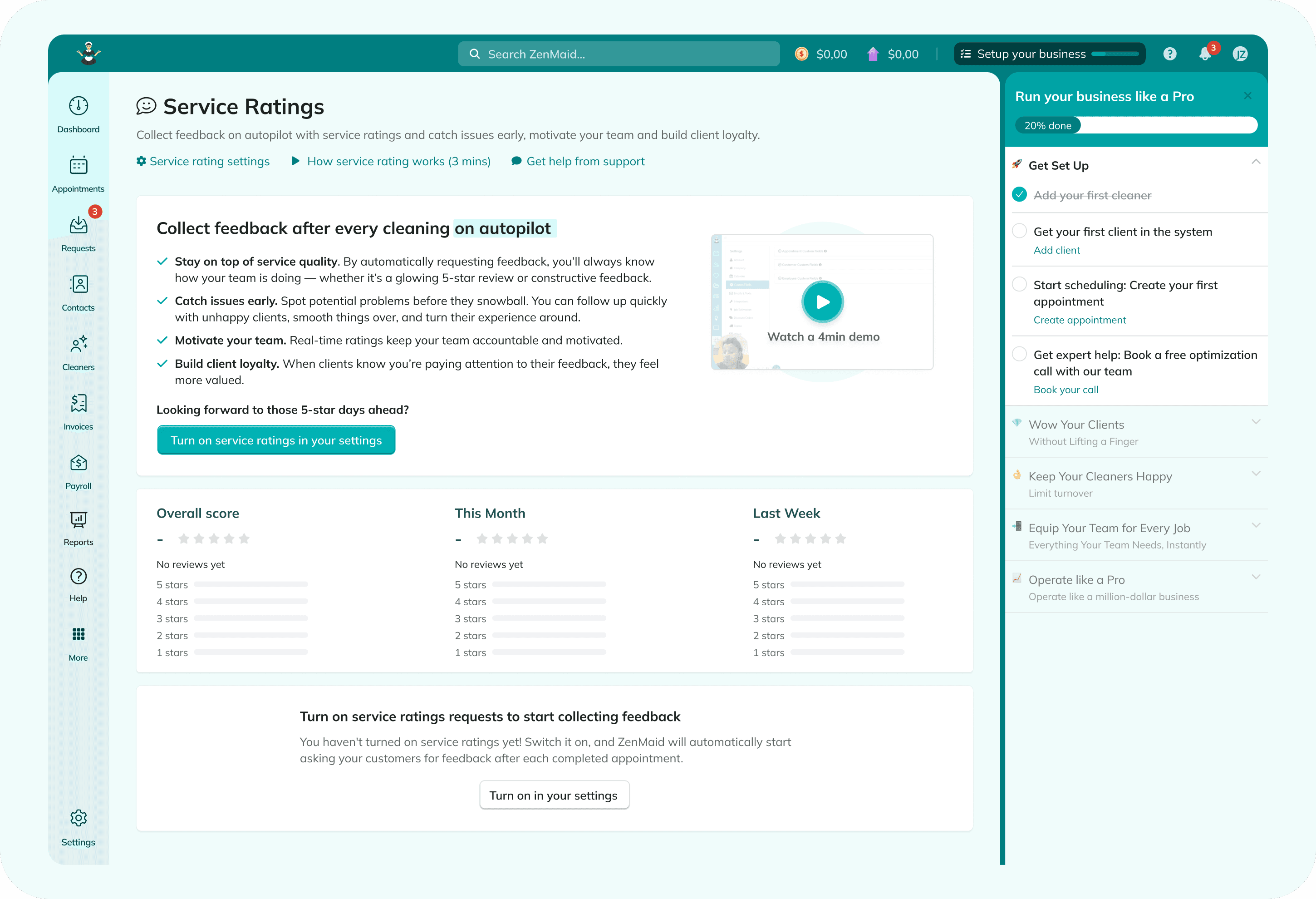
Helped ZenMaid grow from $1M to $5M ARR
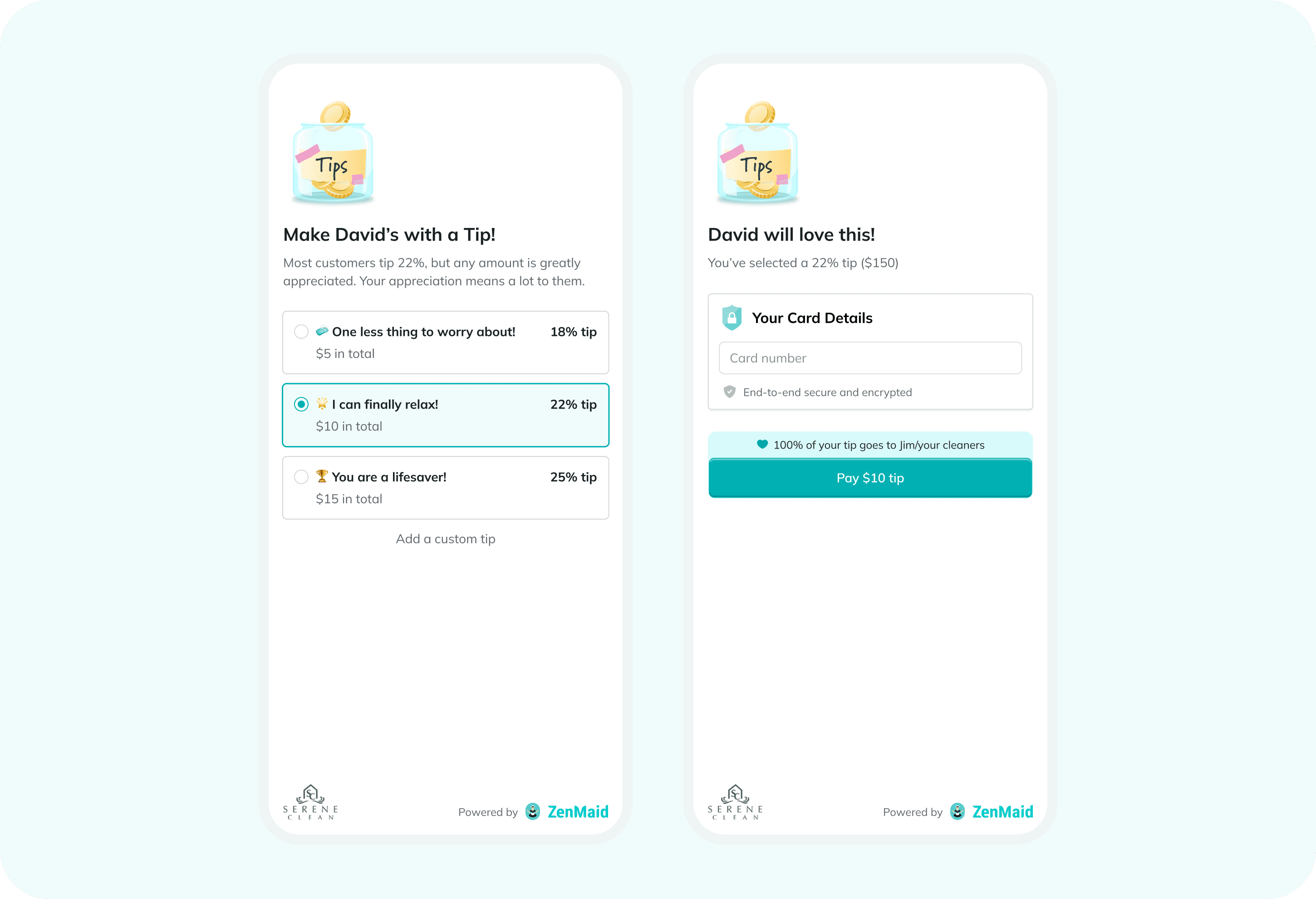
Marc Thomas wrote an annual upgrade email for Senja that listed 10 stupid products you could buy with the $58 you'd save.
A scarf shaped like a receipt. Random Amazon finds.
People took screenshots and shared it on Twitter and LinkedIn.
That's the kind of marketing brain I wanted on the podcast.
Marc's path: magazine journalist → SaaS founder (live polling tool) → Head of Growth at Powered by Search (working with $10-100M ARR clients) → Growth at Podia → now independent lifecycle marketing consultant.
What I appreciate about him: he doesn't look or feel like a typical marketeer. More playful, more artistic. He understands the fundamentals but puts a creative twist on everything.
🧠 What you'll learn in this episode:
0:00 - Intro
1:01 - Marc's journey from journalism to SaaS marketing
9:51 - Why tactical playbooks are dead by the time you hear them
15:25 - The Senja annual upgrade email that went viral
19:27 - How Podia found undervalued influencers in their own user base
26:07 - How Marc defines taste (and the Tony Wilson / Factory Records story)
31:00 - Habits for developing your creative taste
34:47 - Why filtering yourself kills your best ideas
37:49 - The "money moments" framework for lifecycle marketing
40:13 - How Podia restructured onboarding based on actual buying behavior
44:29 - Why you're probably not sending enough email (and the data to prove it)
47:31 - How many emails to send in an onboarding sequence
50:54 - The key emails every trial sequence needs
54:09 - Marc's favorite tools: Sunsama, Whisper Flow, Manus
💡 Steal these quick wins from Marc:
Separate strategic from tactical playbooks. Strategic = "emails help because people live in their inbox." Tactical = "do this exact LinkedIn ad format." Strategic playbooks stay valuable. Tactical ones are saturated by the time you hear about them.
Find your money moments. Any moment where someone could give you money or take it away deserves a dedicated email sequence. Not just onboarding and win-back.
Send pricing early. Don't wait. Day 2 or 3 of your trial, send an email explaining your plans and who each one is for. People don't look at your pricing page as much as you think.
Send more email than feels comfortable. At Podia, they went from 4 emails/month to 12. Result: 12% bump in paid conversions on email days, with a trailing effect for days after. Another client saw 60% revenue increase on email days.
Front-load your onboarding. Day 1 and 2 are the most important. Marc sends 2-3 emails on day 1 alone for some clients. Then taper off: daily for week 1, then less frequent through day 30.
Make your emails worth sharing. The Senja email worked because it was useful AND entertaining. Brand win + referral win in one.
___
Introduction
Jim Zarkadas (00:00)
Hey, I’m Jim, and this is the Love at First Try podcast — a podcast for SaaS CEOs and developers who want to learn more about design without it feeling overly complex.
In every episode, we explore how to design products that become sticky and unforgettable — covering taste, UX, growth, and practical frameworks you can apply.
Let’s dive in.
Guest Intro: From Founder to Lifecycle Marketing
Jim Zarkadas (00:25)
We always start with a quick intro — your story, what you’re working on, and who you help.
Marc Thomas (01:01)
I started as a journalist, then built a SaaS startup, ran it for five years, and learned growth the hard way.
After that, I joined Powered by Search as Head of Growth — working with companies from $10M–$100M ARR.
Then I went in-house at Podia, where we ran a very lean but effective marketing team.
Now I work as a hands-on lifecycle marketing consultant, mainly helping SaaS companies ($1M–$10M ARR) improve how they move users through the buying journey.
Lifecycle Marketing ≠ Just Email
Marc Thomas (06:14)
Most people think lifecycle = email.
But lifecycle is really:
👉 Moving people through the entire buying journey
From:
Not aware → Aware
Aware → Interested
Interested → Customer
Customer → Advocate
Email is just one tool.
The real question is:
👉 What does this person need to move to the next stage?
Playbooks: Strategic vs Tactical
Jim Zarkadas (08:45)
You’ve said playbooks don’t work anymore — why?
Marc Thomas (09:51)
There are two types:
Strategic playbooks (GOOD)
Based on how people buy
Timeless principles
Example: “Use email to stay top of mind”
Tactical playbooks (BAD)
Specific tactics (LinkedIn posts, ad formats, etc.)
Saturate quickly
By the time you hear about them → they’re already declining
👉 The mistake: copying tactics instead of understanding why they worked
Example: Creative Execution Beats Generic Playbooks
Marc Thomas (16:14)
Instead of a typical “save $58/year” email:
We reframed it:
👉 “Here’s what you can buy with $58”
Funny product examples
Visual links
Unexpected angle
Results:
People shared screenshots
Increased brand affinity
Generated referrals
👉 Same strategy — completely different execution
Differentiation Comes From Creativity
Marc Thomas (12:10)
If you follow the same tactics as everyone else:
👉 You look like everyone else
And buyers assume:
👉 “You’re the same as everyone else”
Real differentiation comes from:
Understanding the insight
Executing it in a fresh way
Taste: What It Really Means
Marc Thomas (29:50)
Taste is:
👉 Combining elements in a way that feels right and resonates
Not rules. Not formulas.
It’s:
Inputs (culture, ideas, signals)
Intuition
Iteration
Result:
👉 Something people feel and respond to
How to Develop Taste
Marc Thomas (31:32)
Taste = what you consume
To improve it:
Read widely (not just business)
Explore different cultures
Follow curiosity
Consume diverse inputs
👉 Diverse inputs → unique outputs
Biggest Creative Block
Marc Thomas (34:47)
The real limiter isn’t taste — it’s self-censorship
People think:
👉 “I can’t say that — I’ll be judged”
But great ideas often feel:
Weird
Risky
Unconventional
👉 If you filter too early → you kill creativity
Money Moments: The Core Lifecycle Framework
Marc Thomas (38:00)
Money moments are:
👉 Points where users can give or take away money
Examples:
Upgrade
Cancel
Expand
Refer
Instead of:
❌ “We need onboarding emails”
Think:
✅ “Where are users making money decisions?”
Then build lifecycle around those moments.
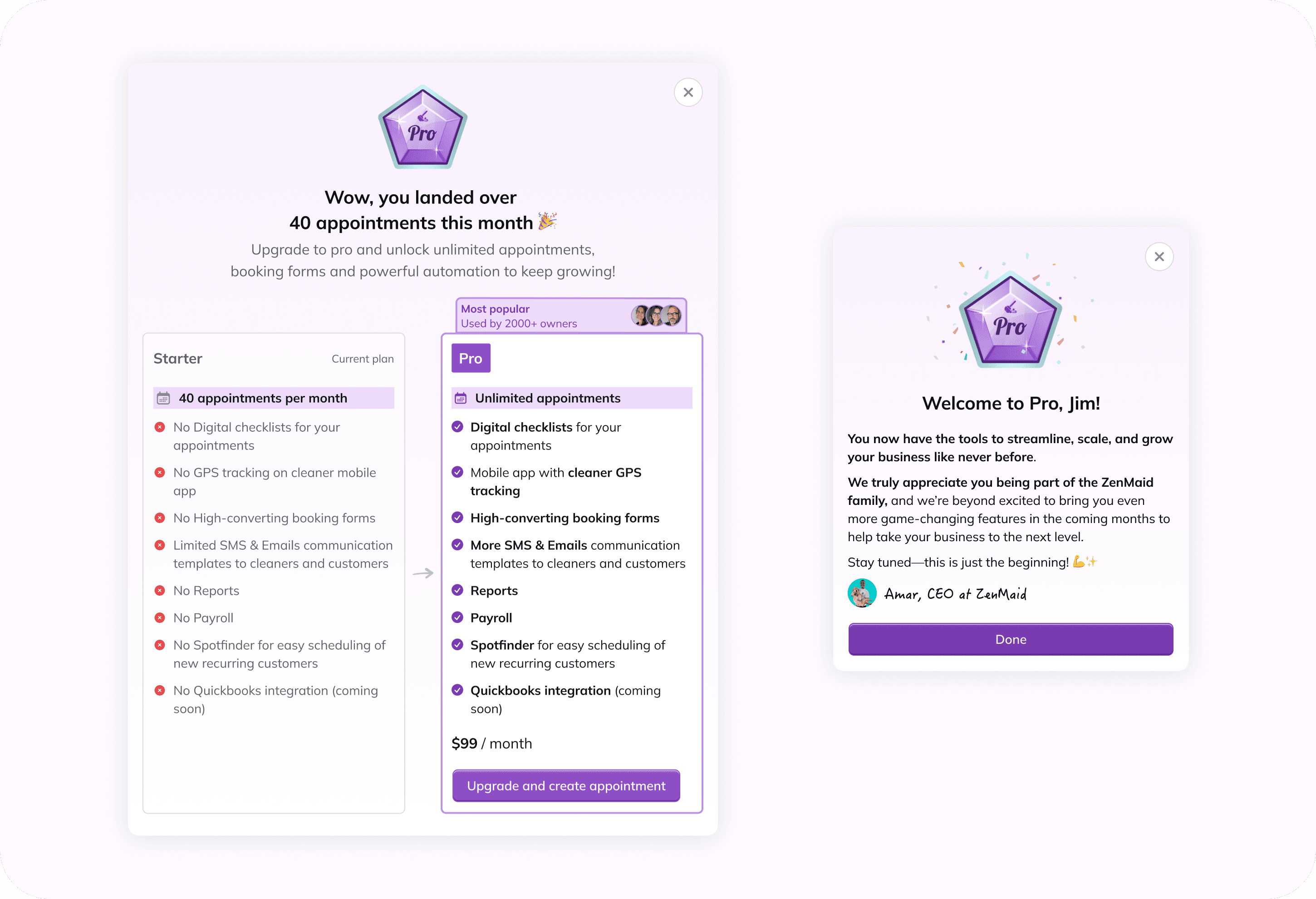
Example: Podia’s Money Moment Insight
Marc Thomas (40:13)
Data showed:
Users only upgraded to base plan in first 30 days
If they didn’t → almost never did
So we changed lifecycle:
Before
Mixed messaging (features, add-ons, etc.)
After
First → sell base plan
After purchase → sell add-ons
Result:
👉 Massive increase in expansion revenue
Email: You’re Not Sending Enough
Marc Thomas (44:29)
Most companies under-email.
Example:
4 → 12 emails/month
Result: +12% conversion lift on send days
Another case:
👉 +60% revenue increase on days with emails
Why Email Works
Marc Thomas (45:16)
Conversions spike on send days
Effect continues for days after
Unsubscribes ≠ real problem
👉 More emails = more revenue (if valuable)
High-Performing Onboarding Email Structure
Marc Thomas (50:54)
Key emails you should always have:
Day 1 → How to get value fast
Day 2–3 → Pricing explained
Midpoint → Reminder + value
End of trial → Urgency
Post-trial → Recovery / extension
Final email → Summary + CTA
👉 Most companies skip pricing early — big mistake
Frequency Strategy
Marc Thomas (49:10)
Early → high frequency (multiple emails/day)
Mid → daily
Late → slower
👉 Front-load communication when intent is highest
Favorite Products
Marc Thomas (54:28)
Sunsama → task manager focused on calm & realistic planning
WhisperFlow → voice-to-text writing (replaces typing)
Manus AI → powerful agentic workflow tool
Closing
Jim Zarkadas (58:19)
This was a great conversation — thanks for joining.
Marc Thomas
Pleasure — loved it.