All episodes
Alicja Suska
Product Design at Buffer
Designing for delight, reducing design debt & using AI to prototype faster
Teams our guests have shipped with






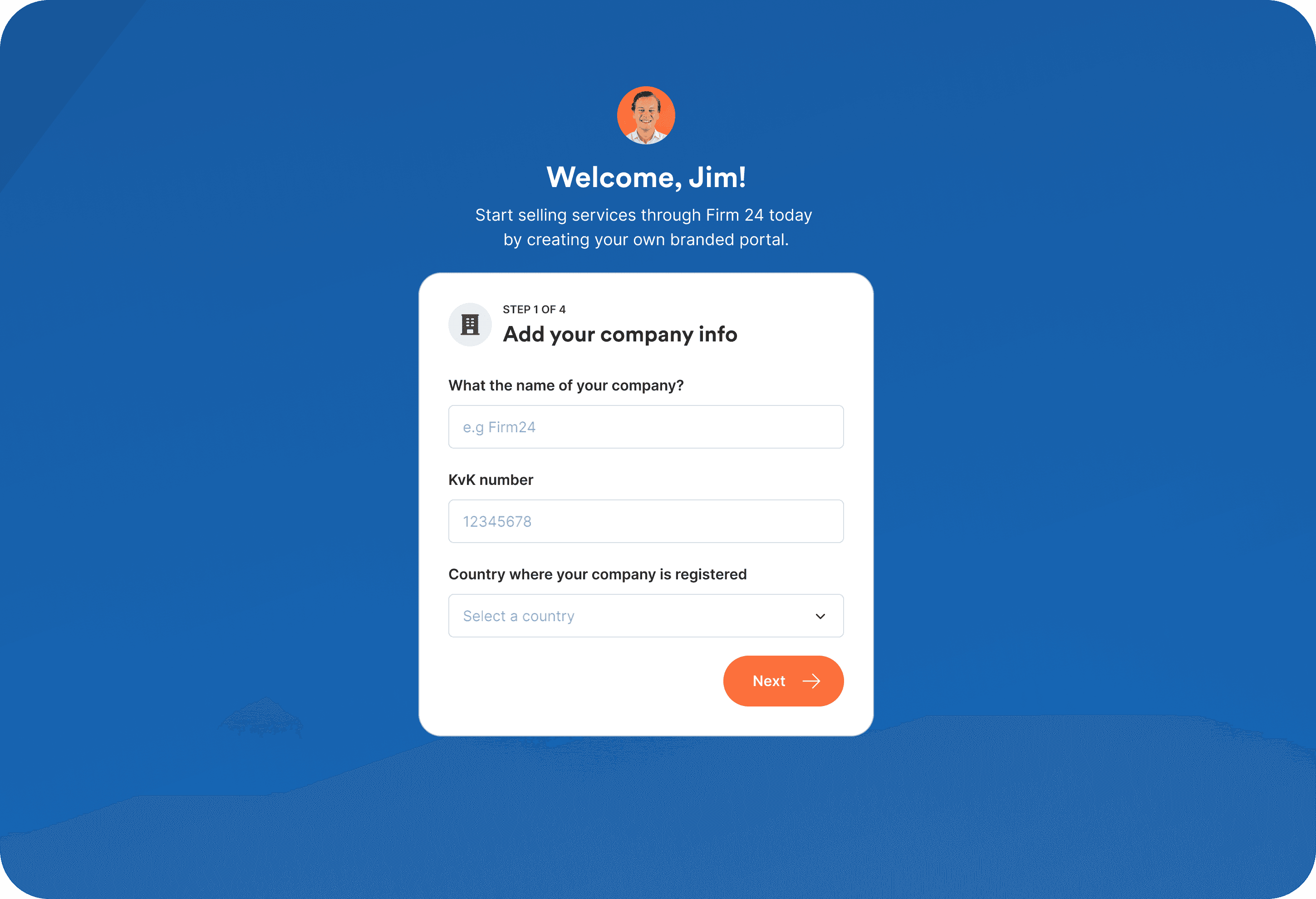
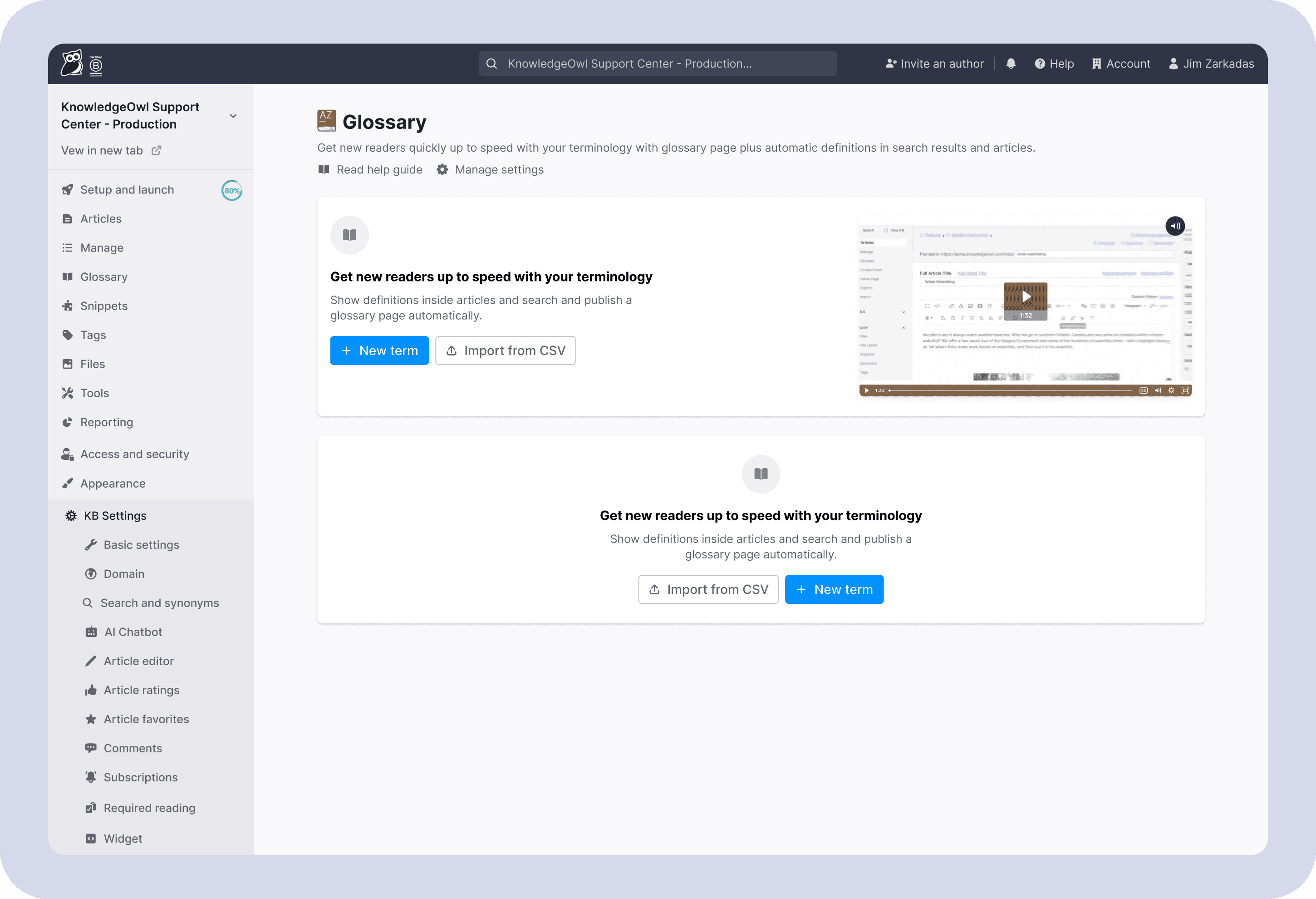
5 free onboarding UX fixes you can ship next week to convert more trials



Order your free video audit
12+ years of experience (ex-Zapier)
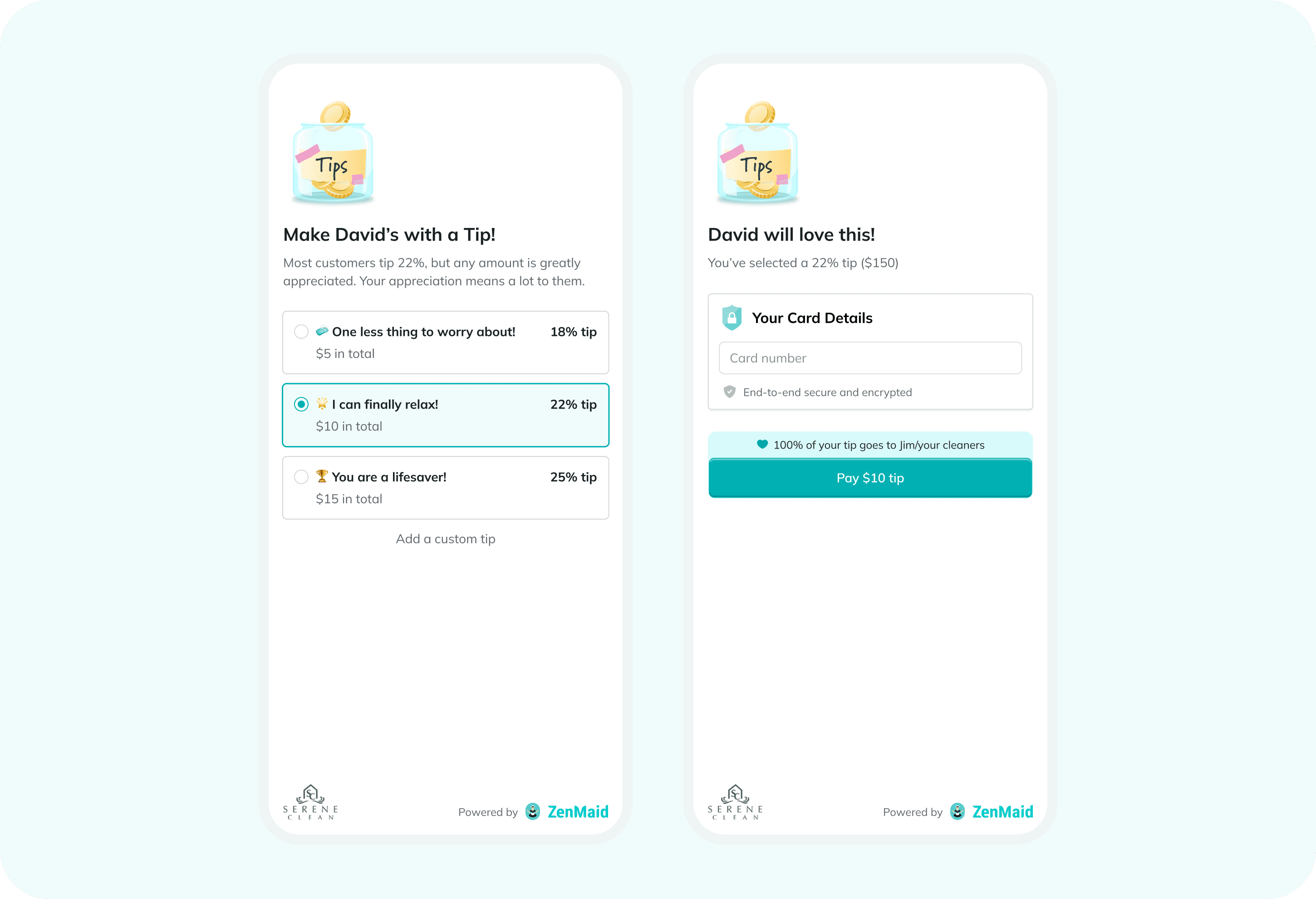
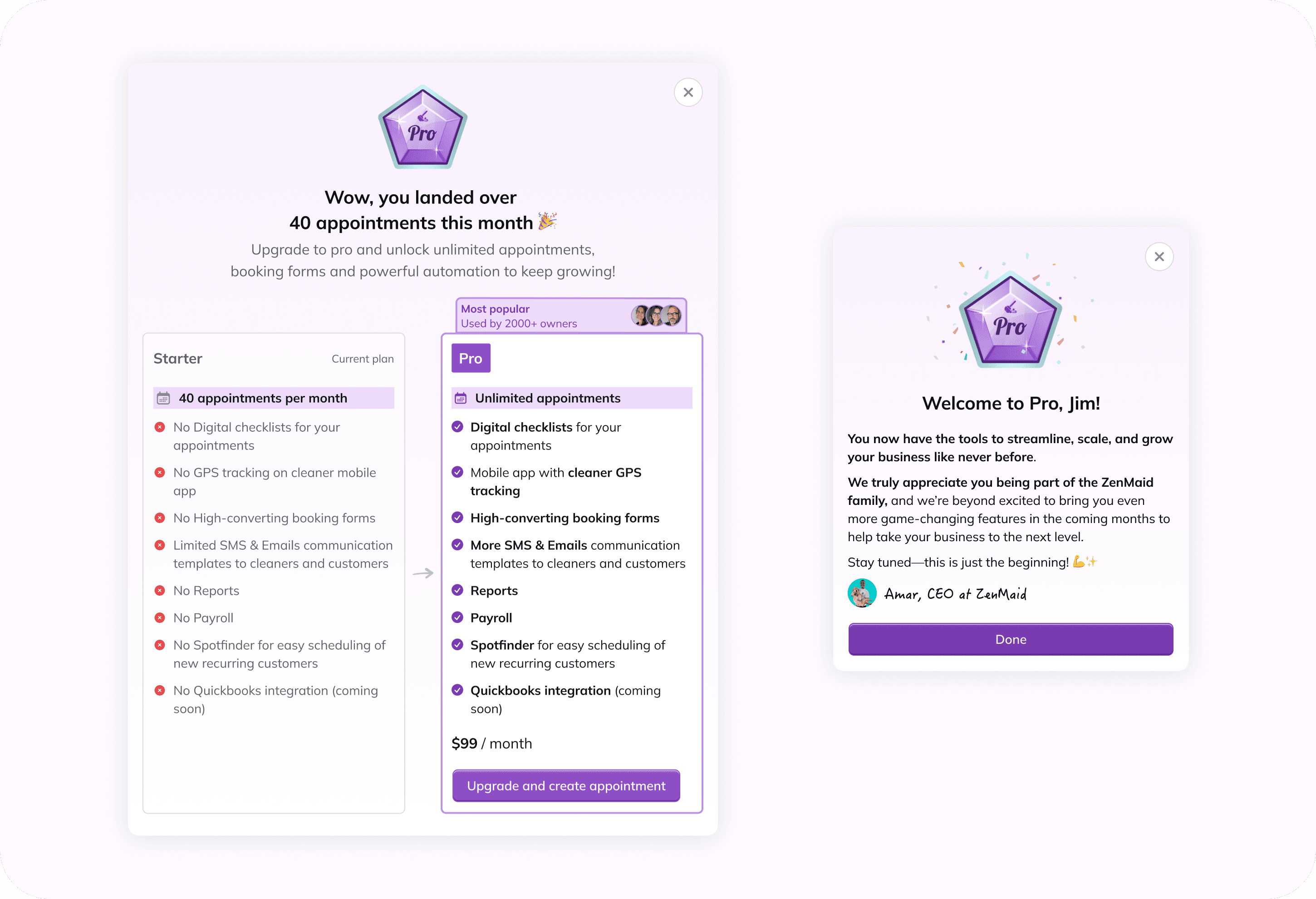
Helped ZenMaid grow from $1M to $5M ARR
Alicja Suska has been designing SaaS products for 10 years.
She's worked at Toggle, Sourcegraph, and now leads product design at Buffer. What caught my attention: she comes from an artistic background — illustration and animation.
That shapes how she designs. Colors, composition, how elements work together — it comes more intuitively. But she admits the process is harder to explain: "I can reason why something is good, but I work more intuitively."
🧠 What you'll learn in this episode:
0:00 - Jim's intro
0:25 - Who is Alicja and her journey through Toggle, Sourcegraph, and Buffer
3:00 - Designing for vastly different users: solo creators vs enterprise teams
5:24 - How to define taste as a designer (and why delight is more practical)
9:44 - Why delight only works after you've solved the core problem
10:26 - How an artistic background shapes product design thinking
15:33 - Sketching and showing rough work early (not polished mockups)
17:45 - Using AI in the design process: what works and what doesn't
21:30 - Prototyping Buffer Insights with Claude: 40+ concepts in one project
29:24 - The shiny object syndrome: wasting time on overhyped AI tool
31:41 - Designing AI features without screaming "this is AI"
39:15 - Enterprise vs consumer: when to be transparent about AI usage
40:04 - Onboarding philosophy: get users into the product as soon as possible
43:12 - Buffer's experiment: showing the UI before asking users to connect channels
46:18 - Credit card upfront vs free trial: what the data actually showed
49:18 - Time to value: identifying the real aha moment (it might not be what you think)
52:09 - Design debt: how navigation bloat quietly kills your product
55:01 - Why you need a dedicated designer who owns the product long-term
58:57 - Process hack: weekly time-to-value brainstorming sessions
1:04:38 - "Release what you're proud of" — Buffer's shift away from shipping fast
1:08:46 - Alicja's favorite products right now and why
💡 Steal these quick wins from Alicja:
Show the product UI before asking for commitment.
Buffer stopped blocking users with "connect your channel" upfront. Now they show the calendar first. Users explore, then connect when ready. Less friction, more trust.
Design your empty states like onboarding screens.
Most users skip onboarding anyway. They land on an empty screen that wasn't designed for being empty. Make your empty states guide users to the next action — not just fill space.
Run a monthly "time to value" session.
Alicja blocks 1-2 hours monthly to brainstorm: how can we shorten time to value? No big project commitment. Just one brainstorm + one small dev task. Fixes pile up over time.
Use Claude to prototype before devs write code.
Alicja brainstormed 40+ feature concepts with Claude, then had it generate interactive HTML prototypes using Buffer's design system. The team could experience features before any code was written.
Audit your navigation every time you add a feature.
The default pattern is "add another tab at the top." Eventually you run out of space and unimportant things sit at the same level as critical ones. Review navigation with every addition.
___
Introduction
Jim Zarkadas (00:00)
This is the Love at First Try podcast — for SaaS founders and developers who care about design and want practical insights on:
UX
taste
growth
conversion
product experience
Guest Intro
Alicja Suska (00:43)
Product designer at Buffer with ~10 years of experience designing SaaS products.
Previously worked with:
At Buffer, works on:
Community management tools
AI-powered social insights
Collaboration features for larger teams
Designing for Completely Different Users
Alicja Suska (03:20)
One of Buffer’s biggest design challenges:
👉 Designing for:
solo creators with 1 channel
agencies managing 20+ channels
Example:
A creator with 10 comments/week:
wants to reply to every comment
A large account:
needs filtering
prioritization
efficiency
👉 Same feature, completely different mindset.
What Is Taste?
Alicja Suska (05:24)
Taste is difficult to define because everyone feels qualified to judge design.
People don’t say:
“great composition”
“excellent color balance”
But they feel it.
👉 Design creates emotional reactions subconsciously.
Example:
Slack won partly because it felt:
more delightful
more human
more approachable
Despite similar competitors existing already.
Delight Comes From Function First
Alicja Suska (08:50)
Small animations and hover states are not enough.
👉 Real delight comes from:
clarity
speed
understanding
helping users achieve goals quickly
If the product:
looks pretty
but creates friction
👉 users are not delighted.
Artistic Background → Better Product Sense
Alicja Suska (10:26)
Coming from illustration and painting helped with:
color understanding
composition
visual harmony
But also with intuition.
Sometimes:
👉 solutions appear visually in your head before you can logically explain them.
Designers Often Think Intuitively
Alicja Suska (11:28)
Technical people often explain processes more structurally.
Designers sometimes:
“just see” the solution
And only afterward rationalize why it works.
Brand Design vs Product Design
Alicja Suska (12:08)
Many UX designers struggle translating:
brand identity
website aesthetics
marketing visuals
…into product interfaces.
Because products require:
more restraint
more usability
less visual chaos
👉 Product UI often becomes:
“enhanced UI with subtle brand flavor.”
Sketching = Superpower
Alicja Suska (14:51)
During her first design internship workshop:
quickly sketching ideas visually
communicating through drawing
…was a major reason she got hired.
👉 Ability to visualize ideas quickly is highly valuable.
Designers Need More “Rough Draft” Thinking
Jim Zarkadas + Alicja Suska (16:00)
Engineers comfortably show rough prototypes.
Designers often try to perfect everything too early.
Result:
feedback focuses on tiny UI details
instead of actual product problems
👉 Black-and-white mockups/wireframes help force better discussions.
AI in Design: Best Current Use Cases
Alicja Suska (18:23)
AI is strongest today for:
brainstorming
prototyping
usability testing
idea generation
Weakest for:
maintaining complex design systems
large-scale UI consistency
replacing designers entirely
Example: AI-Powered Product Exploration
Alicja Suska (21:30)
While designing AI-powered social insights for Buffer:
Claude was used to:
brainstorm 40+ insight ideas
generate dashboards
prototype charts
simulate interfaces
Result:
👉 dramatically faster concept validation.
AI Prototypes > Static Mockups
Jim Zarkadas (24:49)
Big realization:
👉 “I don’t have to design static screens anymore.”
Using AI prototypes allowed:
interactive testing
micro-animations
testing multiple navigation approaches quickly
real-feeling product flows
Instead of:
endless Figma polishing
AI Can Waste Massive Time Too
Jim Zarkadas (28:10)
Danger:
👉 shiny-object syndrome
Trying random AI tools:
synthetic testing
AI experiments
overhyped workflows
…can destroy focus and productivity.
Why Most AI Design Demos Feel Fake
Alicja Suska (30:11)
AI tools usually showcase:
simple landing pages
basic interfaces
But real SaaS complexity involves:
huge design systems
variants
themes
dependencies
navigation logic
👉 Real product design is much harder than demo videos suggest.
AI Features Should Stop Screaming “AI”
Alicja Suska (33:54)
Users are getting tired of:
gradients everywhere
“AI-powered” labels on every feature
AI should increasingly become:
👉 invisible infrastructure.
Example:
❌ “AI-generated suggestion”
✅ “Suggested reply”
Trust Matters More Than AI Branding
Alicja Suska (36:12)
Important:
transparency
controls
opt-out capability
But visually over-highlighting AI:
👉 often harms UX more than helps it.
Best Onboarding Philosophy
Alicja Suska (40:30)
👉 Get users into the product as fast as possible.
Avoid:
long intro tutorials
unnecessary setup steps
“welcome” slides nobody reads
Instead:
use strong empty states
contextual onboarding
progressive discovery
Empty States Are Underrated
Alicja Suska (41:18)
Good empty states:
educate
guide
motivate
suggest next actions
Bad empty states:
show nothing useful
create confusion
Buffer Example: Don’t Force Commitment Too Early
Alicja Suska (42:43)
Originally:
users had to connect social accounts before seeing the UI
Problem:
👉 users didn’t trust the product yet.
New approach:
users enter the interface first
then connect channels contextually
Result:
👉 much better onboarding experience.
Time-to-Value Depends on User Segment
Jim Zarkadas (49:33)
Different users care about different “aha moments.”
Example:
small businesses may value automation first
large teams may value stability or invoicing
👉 onboarding should adapt based on user context.
Great Onboarding Never Ends
Jim Zarkadas (59:20)
Onboarding is not:
a one-time flow
It’s:
👉 an ongoing product process.
Best practice:
continuously revisit onboarding
continuously reduce friction
continuously improve time-to-value
Design Debt = UX Technical Debt
Alicja Suska (52:23)
Design debt accumulates when:
products grow without cohesive ownership
Most common problems:
chaotic navigation
endless tabs
outdated onboarding
popover overload
👉 SaaS products slowly become Frankensteins.
Biggest Cause of Design Debt
Alicja Suska (54:47)
Usually:
👉 lack of dedicated design ownership.
Not necessarily in-house.
But:
someone must consistently own product quality long-term.
Product Quality Standards Have Changed
Alicja Suska (56:29)
15 years ago:
👉 users tolerated confusing software.
Today:
👉 users instantly leave products with poor UX.
Standards are dramatically higher now.
Buffer’s Philosophy Shift
Alicja Suska (1:04:38)
Buffer leadership shifted toward:
👉 “We only release things we’re proud of.”
Not:
ship fast at all costs
half-baked releases
Because:
mature brands can’t afford poor experiences.
Favorite Products
Claude
Alicja Suska (1:08:46)
Excited about:
brainstorming
prototyping
AI-assisted workflows
Feels dramatically stronger than many alternatives for creative collaboration.
Future of Health & Fitness Apps
Alicja Suska (1:09:33)
Excited about:
exercise tracking
nutrition tracking
adaptive AI coaching
Future opportunity:
👉 AI systems that dynamically adjust:
workouts
calories
recovery
nutrition
Based on real behavioral data.
Final Insight
Alicja Suska + Jim Zarkadas
AI will likely:
shrink teams
increase leverage
create new workflows
But:
👉 ownership, judgment, strategy, and product thinking still matter deeply.